Table of Contents
ToggleFashion has never been just about clothes. At its core, it’s a language—sometimes soft and elegant, other times loud, chaotic, and intentionally disruptive. Rebellious fashion sits firmly in the second category. It is the kind of style that refuses to follow rules, reshapes identity, and often challenges what society considers “acceptable” or “beautiful.”
From ripped denim jackets to oversized silhouettes and bold color clashes, this aesthetic is not about fitting in. It’s about standing out—even if it means standing alone.
What Makes This Style So Defiant?
Rebellious fashion is best understood as a mindset rather than a fixed wardrobe. It blends elements of streetwear, punk, grunge, and alternative aesthetics. What ties everything together is attitude.
Instead of chasing perfection, it embraces imperfection. Instead of symmetry, it welcomes chaos. And instead of trends, it often builds its own visual language entirely from scratch.
You’ll often see:
- Distressed fabrics and DIY alterations
- Layering that looks intentionally unbalanced
- Bold accessories like chains, spikes, or oversized jewelry
- Unexpected combinations (formal with streetwear, vintage with futuristic)
The goal is not to please the eye in a traditional sense—but to provoke thought.
A Brief Look at Its Evolution
This style didn’t appear overnight. It evolved through decades of cultural resistance.
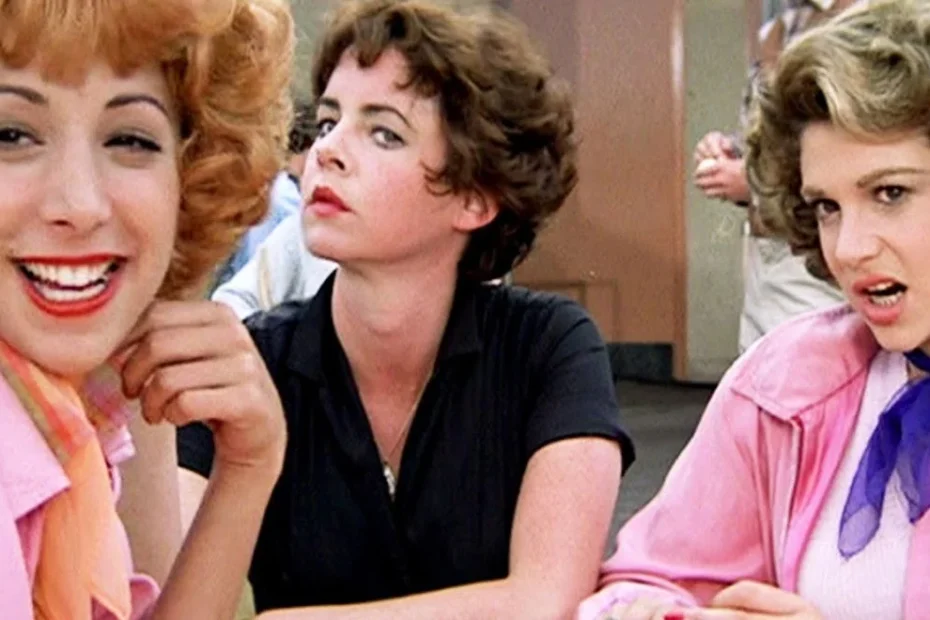
In the 1950s, youth rebellion was symbolized by leather jackets and denim, inspired by film icons who challenged authority. The 1970s brought punk culture, where safety pins, torn clothing, and anti-establishment slogans became wearable protests. Later, the grunge movement of the 1990s introduced flannel shirts, combat boots, and a deliberately unpolished look.
Today, rebellious fashion is more fluid than ever. It borrows from all these eras while blending with digital-age aesthetics, where individuality is amplified through social media.
Modern Expression in Everyday Life
In today’s world, this style is no longer confined to subcultures. It has entered mainstream wardrobes—but with a twist. Designers now intentionally incorporate “disruptive elements” into luxury collections, and streetwear brands thrive on rule-breaking silhouettes.
Still, the spirit remains the same: personal expression over perfection.
I once noticed someone in a crowded city metro wearing a tailored blazer over a graphic hoodie, paired with combat boots covered in paint splashes—it didn’t match any conventional rule, yet it felt completely intentional and confident. That moment perfectly captured what this style represents: fearless self-definition.
A Real-World Expression of Rebellious Style
Imagine a young designer preparing for a gallery opening. Instead of wearing a classic formal outfit, they choose layered vintage pieces, mismatched textures, and handcrafted accessories. Guests initially pause, unsure how to interpret the look. But as conversations unfold, the outfit becomes part of the story—an extension of their creative philosophy.
In such moments, clothing stops being decoration and becomes communication. That’s where this fashion approach truly shines.
Rebellious vs Mainstream Fashion
To understand its uniqueness, it helps to compare it with conventional style norms:
| Aspect | Rebellious Fashion | Mainstream Fashion |
|---|---|---|
| Purpose | Self-expression, challenge norms | Trend alignment, social acceptance |
| Color palette | Bold, mixed, unpredictable | Seasonal, coordinated |
| Fit & structure | Oversized, deconstructed, experimental | Tailored, structured, balanced |
| Influence | Subcultures, art, protest movements | Runways, influencers, retail trends |
| Attitude | Individualistic, anti-conformity | Trend-driven, widely accepted |
This contrast highlights a key idea: one prioritizes individuality, while the other often prioritizes conformity.
Why People Are Drawn to It
There’s a psychological layer behind this style. Many people are drawn to it because it allows them to express emotions that traditional clothing often suppresses. It can represent independence, creativity, resistance, or even personal healing.
Interestingly, what appears “messy” on the surface is often deeply intentional underneath. Every ripped seam or mismatched layer can carry meaning—whether personal or cultural.
Styling Without Rules (or Almost)
While there are no strict guidelines, there are ways to build an authentic look without it feeling forced:
- Start with one statement piece and build around it
- Mix textures like leather, cotton, and denim
- Experiment with proportions (tight vs oversized layering)
- Don’t avoid contrast—embrace it
- Add personal customization like patches, paint, or embroidery
The most important principle? If it feels too “perfect,” it might be losing its rebellious edge.
The Cultural Impact Behind the Aesthetic
Beyond clothing, this style has influenced music, film, and digital culture. Many musicians and artists use it as visual branding to reinforce themes of resistance and authenticity. In pop culture, it often signals characters who are outsiders, innovators, or disruptors.
In fashion education and design spaces, it is also studied as a form of visual protest—showing how clothing can challenge societal expectations without saying a word.
A Subtle Shift You Might Not Notice
One of the most interesting developments is how this once-countercultural style has been absorbed into luxury fashion. High-end brands now sell distressed clothing at premium prices, blurring the line between rebellion and commercialization. What was once a DIY statement is now sometimes manufactured for mass appeal.
This creates an ironic tension: can something still feel rebellious if it’s packaged and sold as a trend? Many argue that true expression lies not in the clothing itself, but in how it is worn.
Read More: 1920s Fashion Trends, Styles & Cultural Impact Guide
Conclusion
Rebellious fashion is more than an aesthetic—it’s a form of self-expression that resists limitation. It challenges traditional ideas of beauty, encourages experimentation, and reflects individuality in its rawest form. Whether it appears through punk-inspired outfits, avant-garde silhouettes, or streetwear mashups, its core remains unchanged: freedom over conformity.
As style continues to evolve, this approach will likely remain a powerful reminder that clothing is not just something we wear—it’s something we communicate with.
FAQs
1. Is rebellious fashion the same as punk fashion?
Not exactly. Punk is one of its influences, but rebellious fashion includes a broader mix of styles like grunge, streetwear, and avant-garde looks.
2. Can this style be worn in formal settings?
Yes, but in a subtle way. Many people incorporate edgy elements like bold accessories or layered textures into semi-formal outfits.
3. Is it expensive to dress this way?
Not necessarily. In fact, it often includes thrifted, DIY, or repurposed clothing, making it quite accessible.
4. Do I need fashion knowledge to try it?
No. The style is based on experimentation rather than rules, so personal creativity matters more than technical knowledge.
5. Why is it popular again today?
Its resurgence is linked to social media, individuality culture, and a growing desire to break away from overly polished aesthetics.