Table of Contents
ToggleThe 1960s wasn’t just another decade—it was a cultural shift that completely transformed how people dressed, expressed themselves, and understood fashion. From bold geometric prints to mini skirts that challenged tradition, this era broke rules in the most stylish way possible. Even today, its influence is everywhere—from runway collections to everyday streetwear.
What makes this period especially fascinating is how it blended rebellion with elegance. One moment you’d see polished, structured silhouettes; the next, you’d encounter free-spirited, psychedelic experimentation. That contrast is exactly what keeps this style era alive in modern wardrobes.
I once found myself at a vintage market in Manchester, flipping through racks of old dresses, and realized how effortlessly wearable many of those pieces still looked—even decades later.
The Cultural Pulse Behind 60s Style
Fashion in the 1960s didn’t exist in isolation. Music, politics, and youth culture all played a massive role in shaping what people wore. The rise of rock and roll bands like The Beatles changed everything. Suddenly, clothing wasn’t just clothing—it was identity.
Young people wanted to distance themselves from the conservative styles of the 1950s. Tailored suits, stiff skirts, and strict fashion rules gave way to experimentation, color, and individuality. London, in particular, became the global epicenter of this transformation, especially with the rise of “Swinging London.”
Iconic Looks That Defined the Decade
Several signature styles came to define the era, each with its own personality:
- Mini skirts and bold hemlines
- Geometric prints and color blocking
- Go-go boots and patent leather shoes
- Shift dresses with clean, straight lines
- Psychedelic patterns inspired by music culture
One of the most unforgettable influences was Twiggy, whose androgynous look and dramatic eyelashes redefined beauty standards. She became a symbol of youthful rebellion and minimalistic chic.
Modern-Day Styling Example
Imagine attending a modern rooftop party in a city like London or New York. Instead of wearing a standard cocktail dress, you choose a 1960s-inspired shift dress with bold patterns, paired with white boots and oversized sunglasses. Instantly, your look stands out—not because it’s loud, but because it feels timeless.
That’s the real magic of this era: it adapts effortlessly into today’s fashion landscape without feeling outdated.
Comparing 60s Fashion Styles
To understand how diverse the decade truly was, here’s a simple comparison of two dominant style directions:
| Style Type | Key Features | Mood/Expression | Modern Influence |
|---|---|---|---|
| Mod Fashion | Mini skirts, bold prints, boots | Youthful, rebellious | Streetwear, fast fashion |
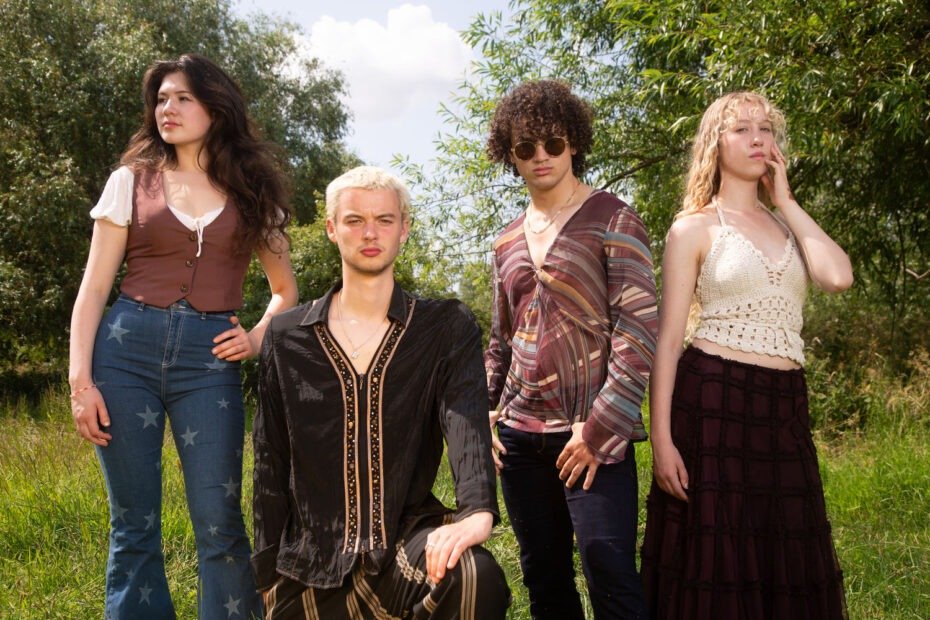
| Bohemian Style | Flowing fabrics, earthy tones | Free-spirited, artistic | Festival wear, boho chic |
This contrast shows how the decade embraced both structure and freedom at the same time—something rarely seen in earlier fashion eras.
The Rise of Youth-Led Fashion
Before the 1960s, fashion trends were mostly dictated by designers and high society. But this decade flipped that system upside down. Young people became the trendsetters, and street style started influencing high fashion for the first time.
Music festivals, protests, and cultural movements became unexpected fashion runways. Clothing was no longer just about appearance—it became a voice.
Even today, fashion brands still draw inspiration from that shift, focusing heavily on youth culture and street-level creativity.
Materials, Colors, and Design Revolution
One of the most exciting aspects of the era was its fearless use of materials and color. Designers experimented with:
- Synthetic fabrics like polyester and PVC
- Neon and high-contrast color palettes
- Optical illusions through print design
- Metallic textures and futuristic finishes
This experimental approach gave clothing a sense of energy and movement. It wasn’t about subtlety—it was about making a statement.
Why 60s Fashion Still Matters Today
The influence of this decade hasn’t faded; it has evolved. Modern designers continue to revisit it because it represents freedom in its purest form.
You’ll notice elements of it in:
- High-street mini dresses
- Vintage-inspired eyewear
- Bold runway collections from luxury brands
- Retro street fashion trends on social media
Its biggest contribution is mindset: fashion should be expressive, not restrictive.
Personal Style Reflection
There’s something strangely empowering about wearing 1960s-inspired clothing. It feels like stepping into a version of fashion where rules didn’t matter as much as creativity. The first time I tried a mod-style outfit, I noticed how different people reacted—not because it was unusual, but because it carried confidence.
The Lasting Legacy of a Bold Decade
The 1960s didn’t just change fashion—it changed how people think about clothing altogether. It introduced the idea that style could reflect personality, rebellion, and cultural identity all at once.
From runway shows to thrift stores, its influence continues to evolve without losing its essence. Whether it’s a structured mini dress or a psychedelic print shirt, the spirit remains unmistakable.
Read More: London Fashion Week Trends, Designers & Insights
Conclusion
The beauty of 60s fashion lies in its fearless experimentation. It broke traditions, embraced youth culture, and turned clothing into a form of expression. Even decades later, it continues to inspire designers, influencers, and everyday style lovers.
More than just a trend, it represents a mindset—one that encourages individuality, creativity, and confidence in self-expression. That’s why its legacy is still growing rather than fading.
FAQs
1. What made 60s fashion so unique?
It combined bold creativity, youth influence, and cultural rebellion, breaking away from traditional styles.
2. Who influenced 1960s fashion the most?
Icons like Twiggy, The Beatles, and London-based designers played major roles in shaping trends.
3. Is 60s fashion still popular today?
Yes, many modern styles—like mini skirts, shift dresses, and bold prints—are inspired by the 1960s.
4. What colors were popular in the 1960s?
Bright shades like orange, yellow, pink, and electric blue were widely used.
5. How can I wear 60s fashion today?
You can mix vintage-inspired pieces like mini dresses or boots with modern accessories for a balanced retro look.