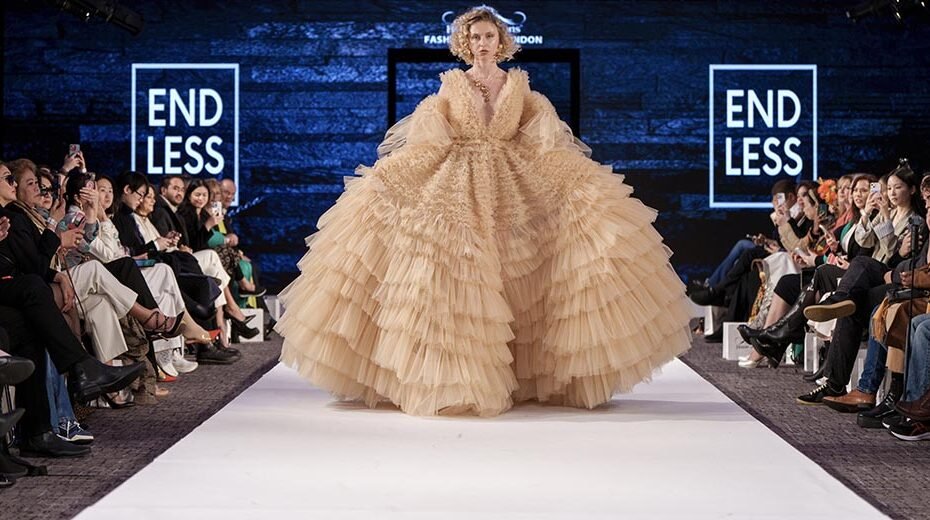
There’s something electric about the global fashion circuit, but few events capture that pulse quite like London Fashion Week. It’s bold, unpredictable, and often a step ahead of the curve. While Paris may embody luxury and Milan thrives on craftsmanship, London stands apart for its fearless experimentation and ability to spotlight emerging voices alongside established names.
Whether you’re a fashion enthusiast, a student, or simply curious about global style movements, this event offers far more than just runway shows—it’s a cultural statement that evolves with every season.
The Essence of London’s Style Identity
Unlike other fashion capitals that lean heavily into tradition, London thrives on reinvention. It’s where avant-garde meets street style, and where designers aren’t afraid to challenge norms. This unique blend makes it a breeding ground for innovation.
From edgy silhouettes to sustainability-driven collections, the city’s fashion scene reflects its diverse and multicultural spirit. Designers often draw inspiration from music, art, and social movements, creating pieces that tell deeper stories beyond aesthetics.
A Platform for Emerging Talent
One of the defining characteristics of this fashion event is its dedication to nurturing new designers. Many now-famous names once debuted here, gaining recognition before stepping onto the global stage.
For young creatives, it’s not just about showcasing garments—it’s about building a narrative, forming connections, and establishing a brand identity. This emphasis on fresh talent ensures the event remains dynamic and forward-thinking.
I remember watching a livestream of a debut collection a few years ago, and what struck me wasn’t just the clothing—it was the raw creativity and courage behind it. That’s something you rarely forget.
Sustainability at the Forefront
In recent years, sustainability has become a central theme. Designers are increasingly adopting eco-friendly materials, ethical production methods, and transparent supply chains.
This shift isn’t just a trend—it reflects a growing awareness among consumers who demand responsibility from brands. London has embraced this change wholeheartedly, often leading conversations around sustainable fashion practices.
From Runway to Reality: Practical Influence
Imagine a small boutique owner in a busy city, looking to refresh their collection for the upcoming season. Instead of relying solely on traditional suppliers, they study the trends emerging from London’s fashion scene.
They notice a rise in recycled fabrics, oversized tailoring, and gender-neutral designs. By incorporating these elements into their store, they not only attract a younger audience but also position themselves as a forward-thinking brand.
This is how the influence of fashion weeks trickles down—impacting businesses, consumer choices, and even everyday wardrobes.
How It Compares to Other Fashion Weeks
Each major fashion week has its own personality. Here’s a simple comparison to highlight what makes London unique:
| Feature | London | Paris | Milan | New York |
|---|---|---|---|---|
| Style Identity | Experimental, edgy | Elegant, luxurious | Sophisticated, classic | Practical, modern |
| Focus | Innovation & youth | Heritage & couture | Craftsmanship | Commercial appeal |
| Emerging Designers | Strong emphasis | Moderate | Limited | Growing |
| Sustainability Efforts | Leading initiatives | Increasing | Moderate | Improving |
| Street Style Influence | Very high | High | Medium | High |
This diversity across cities is what keeps the global fashion ecosystem vibrant, but London consistently stands out for pushing boundaries.
The Experience: More Than Just Fashion
Attending—or even following—this event isn’t just about clothes. It’s about atmosphere. The streets come alive with photographers, influencers, buyers, and creatives from around the world.
Pop-up events, panel discussions, and after-parties add layers to the experience. It becomes a melting pot of ideas, where fashion intersects with technology, sustainability, and culture.
Even for those watching online, the digital coverage has made it more accessible than ever. Livestreams, social media updates, and behind-the-scenes content bring the excitement directly to your screen.
Trends That Often Emerge
While trends vary each season, some recurring themes tend to surface:
- Bold color palettes and unexpected combinations
- Oversized silhouettes and relaxed tailoring
- Gender-fluid designs
- Sustainable and upcycled materials
- Statement accessories that redefine minimalism
These trends often influence high-street fashion within months, shaping what you eventually see in stores.
Why London Fashion Week Still Matters
In an era where fast fashion dominates and trends change overnight, events like this provide direction. They act as a compass for the industry, highlighting where style is heading rather than where it has been.
More importantly, they remind us that fashion is not just about consumption—it’s about expression, identity, and storytelling.
Read More: 1980s Fashion Trends That Still Influence Style
Conclusion
London Fashion Week continues to redefine what a fashion event can be. It’s not confined to runways or limited to industry insiders—it’s a living, breathing reflection of creativity and cultural evolution.
From championing new designers to leading sustainability efforts, it sets a tone that resonates far beyond London itself. Whether you’re deeply invested in fashion or just beginning to explore it, there’s always something to learn, admire, and be inspired by.
FAQs
What is London Fashion Week known for?
It’s widely recognized for its experimental designs, emerging talent, and strong focus on innovation and sustainability.
When does it usually take place?
The event typically occurs twice a year, in February and September, showcasing autumn/winter and spring/summer collections.
Can the public attend London Fashion Week?
While many shows are invite-only, there are public events, digital streams, and exhibitions that allow wider participation.
How does it influence everyday fashion?
Designs and trends introduced during the event often filter down into mainstream fashion, influencing retail collections and consumer choices.
Why is it important in the global fashion industry?
It plays a crucial role in shaping trends, supporting new designers, and driving conversations around sustainability and innovation.