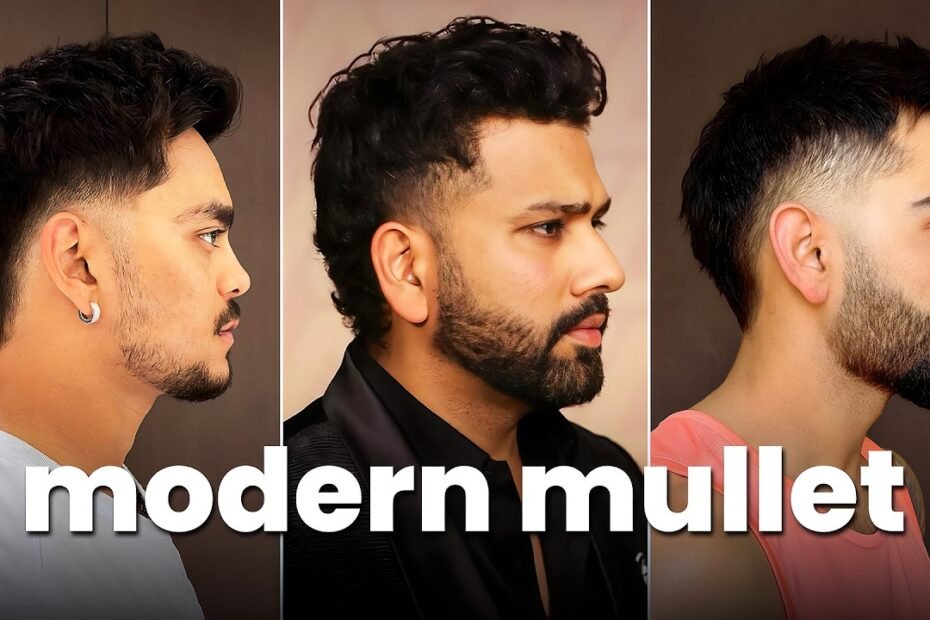
The mullet haircut has experienced a fascinating journey through the decades. Often summed up as “business in the front, party in the back,” this hairstyle has evolved far beyond its classic 1980s image. Today, the mullet is not just a statement—it’s a versatile, modern haircut that can suit anyone willing to embrace its edgy charm.
Whether you’re thinking of trying it for the first time or looking to update your current style, understanding the nuances of the mullet haircut can help you make the most of it. From face shapes and hair types to styling techniques, there’s more to this iconic look than meets the eye.
History and Evolution of the Mullet
The mullet isn’t just a quirky fad; it has roots in practicality and style. Early versions appeared in ancient cultures, often reflecting social status or warrior readiness. Fast forward to the 1970s and 80s, celebrities like Billy Ray Cyrus and David Bowie popularized the look, turning it into a pop culture phenomenon.
Over time, the mullet transformed from a rebellious style into a contemporary fashion statement. Modern iterations balance edgy flair with subtle sophistication, making it appealing across age groups and fashion preferences.
Different Types of Mullet Haircuts
The beauty of the mullet lies in its adaptability. Here’s a quick comparison of popular variations:
| Type | Description | Best For |
|---|---|---|
| Classic Mullet | Short front, long back | Retro enthusiasts |
| Modern Textured | Layered with messy texture | Casual, edgy look |
| Shaggy Mullet | Soft layers with volume | Medium hair lengths |
| Curly Mullet | Works with natural curls | Curly-haired individuals |
| Undercut Mullet | Sides shaved, back long | Bold, contemporary style |
This table demonstrates the flexibility of the mullet—no matter your hair type or lifestyle, there’s a style that fits.
Choosing the Right Mullet for Your Face Shape
Not every mullet suits every face. Here’s a quick guide:
- Oval faces: Most mullet styles work well. You have freedom to experiment.
- Square faces: A textured or shaggy mullet softens strong jawlines.
- Round faces: Longer lengths in the back elongate the face, creating balance.
- Heart-shaped faces: Avoid too much volume on top; a layered back works best.
I personally opted for a textured mullet last summer, and it completely refreshed my look without being over-the-top.
Styling and Maintaining a Mullet
One of the reasons the mullet remains popular is its versatility. Styling depends on hair type and personal taste:
- Straight hair: Use pomade or lightweight gel for sleek definition.
- Wavy hair: Enhance natural waves with a sea-salt spray or mousse.
- Curly hair: A curl cream or leave-in conditioner keeps curls defined and frizz-free.
Maintenance is also key. Regular trims every 6–8 weeks prevent the back from becoming unruly and ensure the front stays neat.
Why the Mullet Makes a Statement
The mullet is more than a haircut—it reflects confidence and individuality. Wearing one today is often associated with bold fashion sense, creativity, and a willingness to break conventional norms. In the modern fashion scene, it’s embraced by musicians, actors, and influencers who appreciate both its retro vibe and contemporary flair.
Imagine walking into a music festival or a creative networking event with a stylish mullet—it’s not just a look; it’s an icebreaker.
Practical Examples and Outcomes
Consider Alex, a graphic designer in a startup. He wanted a hairstyle that balanced professionalism with personal flair. Opting for a modern textured mullet, he discovered that while his colleagues admired the bold choice, clients also found it approachable and creative. The hairstyle complemented both his professional and personal life seamlessly—proving the mullet is no longer confined to one dimension.
Tips for Transitioning to a Mullet
- Start with longer hair at the back and slowly trim the front to shape the style.
- Consult a professional stylist experienced in modern mullets.
- Experiment with layers and texture to suit your personality.
- Use quality styling products to maintain both health and aesthetics.
What Makes the Mullet a Statement Hairstyle
What sets the mullet apart is its ability to merge versatility with self-expression. Unlike other hairstyles that stick to one aesthetic, the mullet can be refined, edgy, professional, or playful—all depending on styling. This adaptability allows wearers to maintain a signature look while adjusting for occasions or trends, making it a truly unique addition to your personal style.
Read More: Mullet Haircut Men: Modern Styles & Trends
Conclusion
The mullet haircut is no longer just a retro novelty—it’s a modern, versatile hairstyle that suits a wide range of personalities and occasions. Whether you choose a classic, textured, or curly version, the key is confidence and proper maintenance. By embracing the mullet, you’re not just changing your hair—you’re making a statement that blends heritage, trend, and individuality.
FAQs
Q1: Can I wear a mullet if I have thin hair?
A1: Yes, textured and layered mullets can create the illusion of volume for thinner hair.
Q2: How often should I trim my mullet?
A2: Every 6–8 weeks to maintain shape and prevent uneven growth.
Q3: Is the mullet suitable for professional environments?
A3: Absolutely, especially modern, textured, or undercut versions that are neat and stylish.
Q4: Can women wear mullets too?
A4: Yes, mullets are gender-neutral and can be adapted for feminine styles with layers and soft texture.
Q5: What products work best for styling a mullet?
A5: Pomades, texturizing sprays, curl creams, or lightweight gels depending on hair type and desired finish.