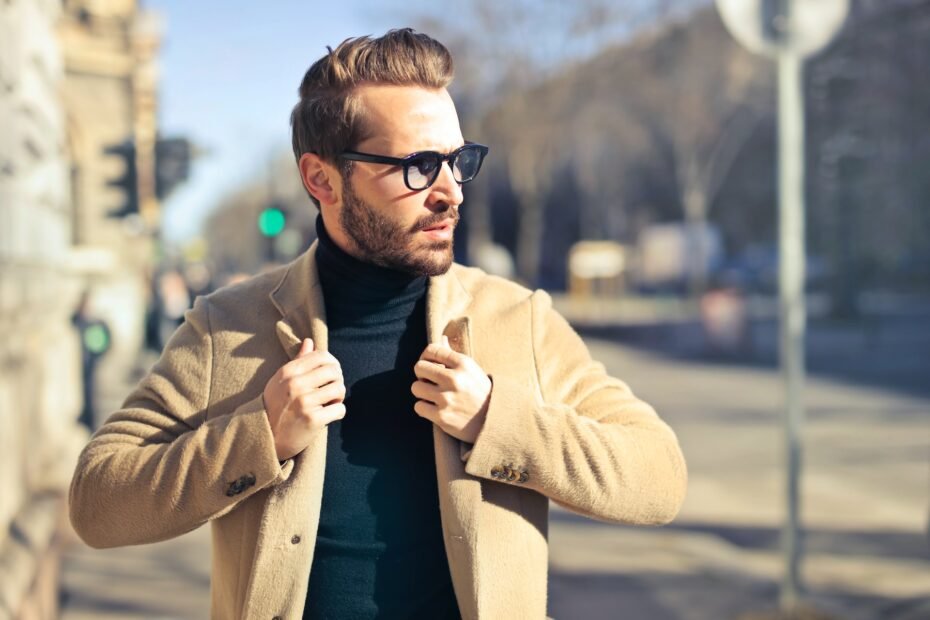
Mens fashion has evolved far beyond basic shirts and trousers. Today, it’s a dynamic blend of personal identity, cultural influence, and functional style. Whether you’re dressing for work, a casual day out, or a special event, what you wear communicates who you are before you even speak.
This guide explores the essentials of modern men’s style, helping you build a wardrobe that feels authentic, looks sharp, and adapts effortlessly to different occasions.
Understanding the Foundations of Mens Style
At its core, great style isn’t about chasing trends—it’s about mastering the basics. A well-fitted outfit can outperform even the most expensive designer piece if it complements your body and personality.
Start with these foundational elements:
- Fit over everything – Clothes should neither be too tight nor too loose
- Neutral color palette – Blacks, whites, greys, navy, and beige are timeless
- Quality fabrics – Cotton, wool, and linen elevate comfort and durability
- Versatility – Choose pieces you can mix and match easily
I remember upgrading from oversized shirts to tailored fits—it instantly made me look more confident without spending much more money.
Key Wardrobe Essentials Every Man Needs
Building a strong wardrobe doesn’t require dozens of items. A few carefully selected pieces can cover most situations.
1. Classic White Shirt
A crisp white shirt works for formal events, office wear, and even smart-casual looks.
2. Dark Denim Jeans
Reliable, stylish, and easy to pair with almost anything.
3. Tailored Blazer
Transforms a simple outfit into something polished.
4. Plain T-Shirts
Solid colors like black, white, and grey are everyday staples.
5. Quality Footwear
Leather shoes, clean sneakers, and loafers provide flexibility for different occasions.
Casual vs Formal: Finding the Right Balance
One of the most common style dilemmas is knowing when to dress up and when to keep it relaxed.
Here’s a quick comparison to simplify your choices:
| Style Type | Key Pieces | Best For | Overall Vibe |
|---|---|---|---|
| Casual | T-shirts, jeans, sneakers | Daily wear, outings | Relaxed & effortless |
| Smart Casual | Polo shirts, chinos, loafers | Dinners, semi-formal meet | Polished yet easy |
| Formal | Suits, dress shirts, oxfords | Office, weddings | Professional & sharp |
The trick is blending categories—for example, pairing a blazer with jeans creates a smart casual look that feels both relaxed and refined.
The Power of Grooming and Presentation
Clothing alone doesn’t define style. Grooming plays a huge role in how you’re perceived.
- Keep your hair well-maintained
- Trim your beard or stay clean-shaven
- Pay attention to skincare
- Use subtle fragrances
Even the best outfit can fall flat without proper grooming, while a simple outfit can stand out when paired with a clean, polished appearance.
Seasonal Style: Dressing Smart All Year
Mens fashion changes with the seasons, and adapting to weather while staying stylish is key.
Summer
- Lightweight fabrics like linen and cotton
- Light colors to reflect heat
- Breathable footwear
Winter
- Layering is essential
- Wool coats and jackets
- Darker tones for a sophisticated look
Transitional Seasons
- Jackets, hoodies, and layering basics
- Neutral tones that adapt easily
A real-world example: Imagine heading to a casual outdoor dinner in early winter. A layered outfit—t-shirt, sweater, and a light jacket—keeps you comfortable while maintaining a stylish edge.
Accessories: The Subtle Game-Changer
Accessories are often overlooked, but they can elevate your entire look.
- Watches – Add sophistication
- Belts – Match them with your shoes
- Sunglasses – Functional and stylish
- Minimal jewelry – Keeps things modern
The key is moderation. One or two well-chosen acessories can make a stronger statement than overloading your look.
Color Coordination Made Simple
You don’t need to be a fashion expert to match colors effectively. Stick to simple rules:
- Pair neutrals with bold colors
- Avoid too many bright tones at once
- Use contrast wisely
For example, a navy blazer with a white shirt and beige chinos creates a balanced and appealing outfit.
Building Confidence Through Style
Mens fashion isn’t just about appearance—it’s about how you feel in what you wear.
When your outfit fits well and reflects your personality:
- You feel more confident
- You make stronger impressions
- You carry yourself differently
Style becomes a tool for self-expression rather than just clothing.
Common Style Mistakes to Avoid
Even with the best intentions, some mistakes can ruin an outfit:
- Wearing ill-fitting clothes
- Over-accessorizing
- Ignoring shoe condition
- Following trends blindly
Instead of chasing every trend, focus on what suits you. Personal style always wins over temporary fashion waves.
The Rise of Modern Mens Fashion Trends
Today’s trends are more flexible and inclusive than ever:
- Relaxed tailoring
- Athleisure blends
- Sustainable fashion choices
- Minimalist aesthetics
Modern style encourages individuality, meaning you can experiment while staying true to yourself.
Creating Your Signature Style
The ultimate goal isn’t to copy others—it’s to develop your own signature look.
Ask yourself:
- What colors do I feel confident in?
- What fits my lifestyle?
- What makes me stand out comfortably?
Over time, your answers shape a style that’s uniquely yours.
Read More: Victoria Secret Fashion Show 2025: Complete Guide
Conclusion
Mens fashion is no longer about rigid rules—it’s about balance, confidence, and personal expression. By focusing on fit, essentials, and thoughtful combinations, you can create a wardrobe that works for every aspect of your life.
Whether you’re dressing for a casual outing or a formal event, the right choices can elevate not just your appearance, but your confidence and presence as well.
FAQs
1. How can I improve my style on a budget?
Focus on basics, buy versatile pieces, and prioritize fit over brand names.
2. What colors are best for men’s clothing?
Neutral colors like black, white, navy, and grey are timeless and easy to match.
3. How important are shoes in mens fashion?
Very important—shoes can make or break your entire outfit.
4. Should I follow fashion trends?
Follow trends selectively. Choose what suits your personality rather than copying everything.
5. How do I find my personal style?
Experiment with different looks, notice what feels comfortable, and build from there.