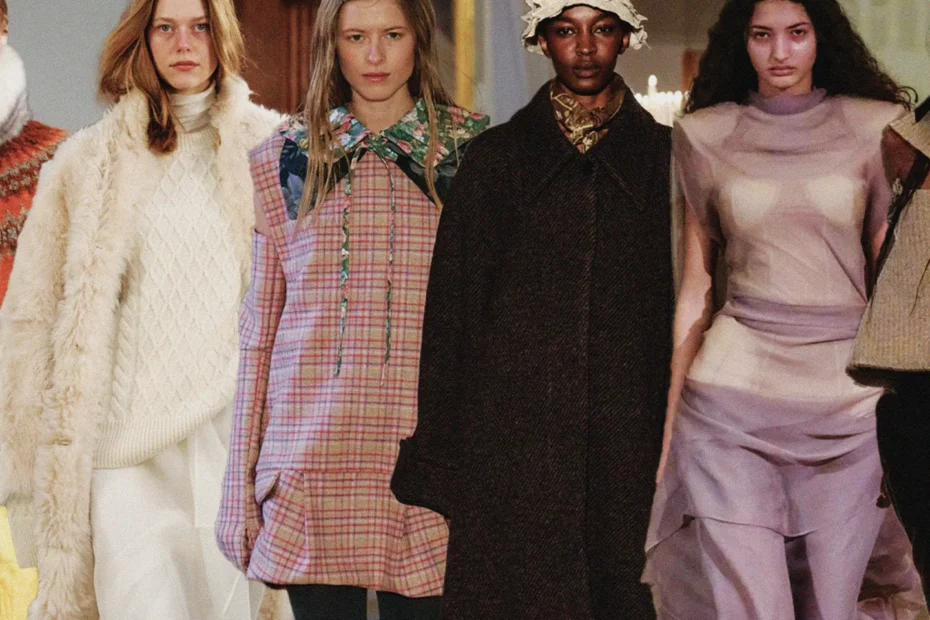
Fashion is more than just clothing—it is a reflection of personality, culture, and lifestyle. Every outfit we choose tells a silent story about who we are and how we want to be perceived in the world. From casual streetwear to elegant evening attire, style has evolved into a powerful form of self-expression that goes beyond fabric and stitching.
Table of Contents
ToggleIn today’s fast-moving world, trends shift quickly, influenced by social media, celebrities, designers, and global culture. Yet, true style is not about blindly following trends—it is about adapting them in a way that feels authentic. Understanding how clothing choices impact confidence and presence can completely change the way someone approaches daily dressing.
The Evolution of Style in Modern Life
Over the years, clothing has transitioned from being purely functional to deeply expressive. In earlier decades, wardrobe choices were often limited by availability and tradition. Now, with global access to brands and online stores, people can explore endless variations of design and aesthetics.
Streetwear, minimalism, vintage revival, and luxury aesthetics all coexist in today’s style ecosystem. This diversity allows individuals to experiment freely, mixing elements that once belonged to completely different worlds. For example, pairing sneakers with formal wear is no longer unusual—it is a celebrated trend in many urban communities.
Social media platforms have also accelerated trend cycles. What used to take years to evolve now changes within months, making adaptability an essential part of staying relevant in style culture.
Personal Expression Through Clothing
I once realized how powerful clothing can be when I attended a formal event wearing a simple, well-fitted outfit instead of an overly complicated designer piece. Surprisingly, I received more compliments that day than ever before, which showed me that confidence and fit matter more than price tags.
This experience highlighted a key truth: style is not about excess, but about intention. When clothing aligns with personality, it naturally enhances presence. People notice authenticity before they notice branding.
How Clothing Choices Shape Real-Life Impressions
Imagine someone preparing for a job interview, a casual hangout, and a wedding—all in the same week. Each occasion demands a different visual tone, yet the goal remains the same: making a positive impression.
For the interview, a clean, structured outfit communicates professionalism. For a casual meet-up, relaxed and comfortable clothing helps express ease. For a wedding, more elegant attire reflects respect for the occasion.
These everyday decisions show how clothing silently adapts to context, shaping how others perceive us in different environments.
Comparing Popular Style Approaches
Different style philosophies appeal to different personalities. The table below highlights how they differ in purpose and expression:
| Style Type | Key Features | Best For | Overall Impression |
|---|---|---|---|
| Fast-changing trends | Bold, seasonal, experimental | Social media, events | Trendy and attention-grabbing |
| Minimalist style | Neutral colors, clean designs | Work, daily wear | Calm, professional, timeless |
| Luxury-inspired | Premium fabrics, refined cuts | Formal occasions | Elegant and sophisticated |
| Street-inspired | Casual, urban, expressive | Youth culture, casual outings | Energetic and modern |
Each approach has its own identity. The key is not to stick rigidly to one category, but to blend elements based on personal comfort and lifestyle needs.
The Hidden Layer of Modern Style Culture
One of the most overlooked aspects of dressing well is emotional alignment. Clothing affects mood more than most people realize. Wearing something comfortable and visually appealing can improve confidence, posture, and even communication style.
There is also a growing shift toward sustainability. Many individuals now prefer eco-conscious choices, focusing on quality over quantity. Instead of buying multiple low-quality items, they invest in fewer, long-lasting pieces that can be styled in multiple ways.
This shift is not just ethical—it is practical. A well-curated wardrobe reduces decision fatigue and improves consistency in personal presentation.
Why Style Matters More Than Ever
In digital spaces, first impressions are often visual. Whether it is a profile picture, video call, or social media post, appearance plays a subtle yet important role in shaping perception.
However, the goal is not perfection. It is coherence. When appearance matches personality, communication becomes more impactful without needing words.
Building a Balanced Wardrobe
A strong wardrobe does not require hundreds of items. Instead, it relies on versatility and balance. A few essential pieces can be styled in multiple ways to create entirely different looks.
For example:
- A plain white shirt can be formal or casual depending on pairing
- Dark jeans can transition from daywear to evening wear
- Neutral jackets can complement almost any outfit
This flexibility makes dressing simpler and more efficient while maintaining variety.
The Emotional Side of Dressing Well
Clothing has a psychological impact that is often underestimated. Wearing something that fits well and feels good can immediately improve confidence levels. On the other hand, uncomfortable or poorly chosen outfits can create distraction and self-consciousness.
This emotional connection is why people often feel “like themselves” in certain outfits. It is not just fabric—it is familiarity, comfort, and identity combined.
Read More: Fashion Nova Guide: Trends, Quality & Value Today
Conclusion
Style is not about chasing every new trend or copying influencers. It is about understanding yourself and expressing that understanding through clothing. Whether someone prefers bold experimentation or subtle elegance, the most important element is authenticity.
When clothing aligns with personality and lifestyle, it becomes more than fashion—it becomes identity in motion. The best approach is to build a wardrobe that supports confidence, adapts to situations, and evolves naturally over time.
FAQs
1. What is modern fashion really about?
Modern style focuses on self-expression, comfort, and adaptability rather than strict rules or fixed trends.
2. How can I improve my personal style easily?
Start with simple, well-fitted basics and gradually add pieces that reflect your personality and preferences.
3. Is expensive clothing necessary for good style?
No, fit and coordination matter more than price. Affordable clothing can look equally stylish when chosen wisely.
4. What is a minimalist wardrobe?
It is a collection of essential, versatile pieces that can be mixed and matched for multiple outfits.
5. How do trends influence everyday dressing?
Trends provide inspiration, but personal adaptation ensures outfits remain authentic and practical.
6. Can clothing affect confidence?
Yes, wearing comfortable and well-matched outfits can significantly improve confidence and overall mood.