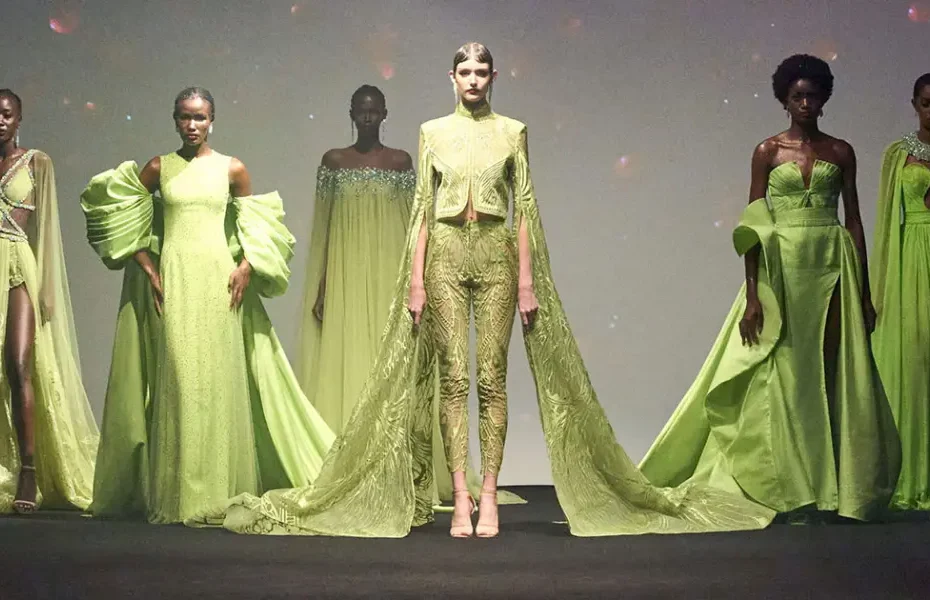
Dubai Fashion Week has rapidly evolved into one of the most influential style gatherings in the global fashion calendar. What once felt like a regional showcase has now transformed into a powerful platform where Middle Eastern creativity meets international luxury, streetwear innovation, and experimental couture.
Table of Contents
ToggleUnlike traditional fashion weeks that strictly follow Western seasonal trends, Dubai’s version reflects something broader and more dynamic. It blends cultural identity, futuristic design thinking, and commercial fashion energy in a way that feels uniquely its own. Designers from across Europe, Asia, and the Middle East now see it as a strategic stage—not just for visibility, but for storytelling.
Walking into the venue, the first impression is often overwhelming in the best way possible: bold lighting, architectural runway setups, and an audience that includes influencers, buyers, editors, and celebrities seated side by side.
I still remember attending a similar runway showcase in Dubai where the energy in the room shifted the moment the first model stepped out—it felt less like a show and more like a cultural statement unfolding in real time.
A New Era of Fashion Expression in Dubai
The rise of Dubai as a global fashion capital didn’t happen overnight. It is the result of consistent investment in luxury retail, creative industries, and tourism-driven branding. Today, the city is not only home to iconic shopping destinations but also a serious competitor in the global runway circuit.
What makes this fashion platform distinct is its openness to experimentation. Designers are encouraged to push boundaries—whether through sustainable materials, digital fashion integration, or fusion silhouettes that mix Eastern and Western influences.
Unlike more traditional fashion hubs, where creative direction can sometimes feel restricted by legacy expectations, Dubai encourages reinvention. That freedom has attracted emerging designers who want to make bold statements without being confined to rigid norms.
On-Ground Industry Experience
During one visit to a fashion showcase in Dubai, I found myself standing next to a buyer from Milan and a content creator from Seoul. Despite their different backgrounds, both were equally captivated by a collection inspired by desert landscapes and futuristic metallic textures.
That moment highlighted something important: this is not just a regional fashion event anymore—it’s a global meeting point of taste, commerce, and creativity.
The conversations happening backstage are just as important as what happens on the runway. Designers discuss retail expansion, influencers negotiate collaborations, and brands scout new talent in real time.
What Makes It Stand Out Globally
Dubai’s fashion scene is not trying to replicate Paris, Milan, or New York. Instead, it is building its own identity. The emphasis is on luxury with accessibility, tradition with innovation, and global appeal with local storytelling.
Here’s how it compares with other major fashion destinations:
| Feature | Dubai Fashion Scene | Paris | Milan | New York |
|---|---|---|---|---|
| Style Identity | Fusion of modern & cultural luxury | Classic haute couture | Elegant craftsmanship | Commercial & edgy streetwear |
| Audience | Global + luxury buyers | Fashion houses & press | Luxury industry insiders | Media, buyers, pop culture |
| Innovation Focus | High (tech + sustainability) | Medium | Medium | High (commercial trends) |
| Market Position | Emerging global hub | Established leader | Luxury powerhouse | Trend-driven capital |
This comparison shows that Dubai is not competing in the same way—it is carving a hybrid identity that borrows strength from each fashion capital while still maintaining originality.
The Growing Influence of Digital Fashion
One of the most exciting developments in recent years is the integration of digital fashion elements. Virtual runway previews, AI-generated designs, and augmented reality showrooms are becoming more common.
Brands are no longer limited to physical showcases. Instead, they are experimenting with hybrid formats where online audiences can experience collections in real time. This shift has expanded reach far beyond the physical venue, allowing global viewers to engage instantly.
Sustainability also plays a growing role. Many designers now prioritize eco-conscious fabrics, reduced waste production, and ethical sourcing as part of their brand identity.
A Practical Case from the Fashion Ecosystem
Imagine a small independent designer from Beirut launching their first collection. In a traditional setting, they might struggle to get international exposure. But in Dubai’s fashion ecosystem, they are suddenly presenting their work in front of global buyers, influencers, and retail executives all at once.
Within hours of their runway debut, their designs could be featured on social media platforms, picked up by fashion bloggers, and even considered for retail distribution in luxury boutiques.
This kind of immediate visibility is one of the strongest advantages of Dubai’s growing fashion platform.
Cultural Fusion as a Creative Force
One of the most defining characteristics of this fashion ecosystem is cultural blending. Traditional embroidery techniques from South Asia, minimalist European tailoring, and futuristic Middle Eastern aesthetics often appear in the same collection.
This fusion is not accidental—it reflects the city’s diverse population and its role as a global crossroads. Designers draw inspiration from this diversity, turning it into wearable art that speaks to multiple audiences at once.
Economic and Industry Impact
Beyond aesthetics, the fashion industry in Dubai has a significant economic footprint. It supports retail expansion, tourism growth, creative employment, and international brand investment.
Luxury brands use this platform not just for showcasing collections but also for testing market demand in the Middle East. Many collections debuting here later influence global retail strategies.
This makes the event not just a cultural milestone but also a commercial engine driving fashion business forward.
Read More: Fashion Avenue Dubai Mall Guide: Luxury Shopping Spot &
Conclusion
Dubai’s rise in the global fashion landscape represents more than just runway shows and luxury branding. It reflects a broader transformation where creativity, technology, and commerce intersect.
What makes it truly compelling is its ability to remain fluid—constantly evolving, adapting, and redefining what a modern fashion capital can be. Whether you view it as a cultural showcase or a business platform, its influence continues to grow with each passing season.
FAQs
1. What is Dubai Fashion Week known for?
It is known for showcasing luxury fashion, emerging designers, and innovative runway presentations that blend global and regional styles.
2. How is it different from other fashion weeks?
It combines cultural fusion, digital innovation, and commercial fashion opportunities, unlike traditional fashion weeks that focus mainly on heritage or seasonal trends.
3. Who attends the event?
Buyers, designers, influencers, celebrities, journalists, and fashion industry professionals from around the world.
4. Is it important for emerging designers?
Yes, it offers strong exposure, networking opportunities, and potential retail partnerships for new talent.
5. Does it include sustainable fashion?
Yes, sustainability is increasingly important, with many designers focusing on eco-friendly materials and ethical production methods.