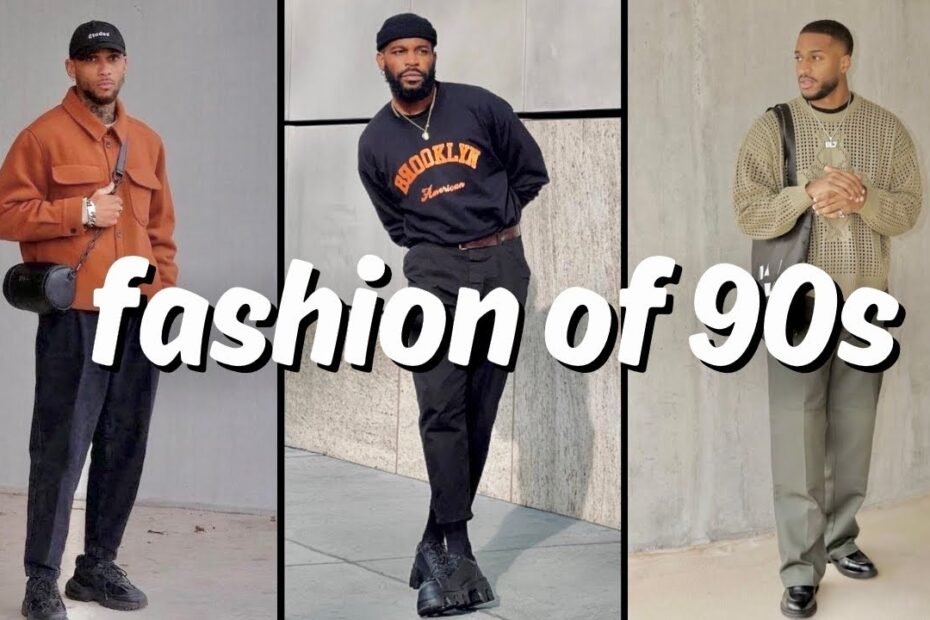
The world of men’s style in the 1990s was anything but subtle. It was bold, experimental, and surprisingly diverse. From baggy denim and oversized silhouettes to clean minimal tailoring and sportswear dominance, the decade created a fashion identity that still echoes through today’s streetwear and casual menswear culture.
Table of Contents
ToggleWhat makes 90s fashion for men so fascinating is its freedom. There were no strict rules—just attitude, comfort, and cultural influence shaping how men dressed.
The Cultural Pulse Behind 90s Men’s Fashion
To understand the fashion of the 90s, you have to understand the culture driving it. Music, television, and emerging street culture played a massive role. Hip-hop artists popularized loose-fitting jeans and bold logos, while rock and grunge movements pushed flannel shirts and distressed looks into mainstream wardrobes.
A personal moment comes to mind: I remember flipping through old family photos and noticing how effortlessly my older cousins mixed oversized shirts with sneakers that looked two sizes too big. At the time, it seemed casual. Now, it feels like a perfectly curated style statement.
That decade wasn’t about perfection—it was about expression.
Streetwear Dominance and the Rise of Casual Cool
One of the strongest pillars of 90s men’s fashion was streetwear. Brands started moving from sports arenas to everyday wear, and suddenly athletic clothing became everyday style.
Baggy jeans, hoodies, windbreakers, and baseball caps weren’t just functional—they were fashionable. This laid the foundation for today’s global streetwear industry.
Hip-hop culture especially influenced this shift. Artists made oversized clothing a symbol of confidence and identity, and young men everywhere followed suit.
The Grunge Movement: Anti-Fashion with Impact
While streetwear leaned bold and expressive, grunge fashion took a completely different route. Inspired by bands like Nirvana and Pearl Jam, this style embraced imperfection.
Think ripped jeans, faded band tees, plaid shirts, and worn-out boots. The goal wasn’t to impress—it was to reject polished fashion entirely.
Ironically, this “careless” look became one of the most influential trends in modern fashion cycles, often reappearing in high-end designer collections.
Minimalism and the Clean Side of the 90s
Not everything in the 90s was oversized or distressed. A quieter revolution was happening in parallel: minimalism.
Simple monochrome outfits, tailored trousers, plain t-shirts, and neutral tones defined this aesthetic. It was clean, structured, and sophisticated—almost a reaction to the louder street trends of the same era.
This duality is what made the decade so powerful. Men could choose between expressive street style or refined simplicity.
How Vintage 90s Menswear Fits Into Modern City Life
Picture this: a young professional stepping out in today’s urban environment wearing loose-fit jeans, a plain white tee, and a lightweight denim jacket. Add chunky sneakers and a crossbody bag, and suddenly you’ve recreated a modern version of 90s-inspired fashion without even trying.
You might not realize it, but many of today’s “trendy” outfits are just refined versions of what men wore decades ago.
Comparison of Key 90s Men’s Fashion Styles
Here’s a simple breakdown of how different 90s styles compare:
| Style Type | Key Pieces | Vibe | Modern Influence |
|---|---|---|---|
| Streetwear | Baggy jeans, hoodies, sneakers | Bold, urban | High—dominates modern fashion |
| Grunge | Flannel shirts, ripped jeans | Raw, rebellious | Strong in casual wear trends |
| Minimalist | Plain tees, tailored pants | Clean, refined | Strong in smart casual outfits |
| Sportswear | Tracksuits, caps, jerseys | Athletic, relaxed | Massive influence in athleisure |
This mix shows just how layered 90s menswear truly was.
Accessories That Defined the Decade
Accessories in the 90s were not subtle. Think chunky watches, chain necklaces, bucket hats, and sunglasses with thick frames. Even simple outfits were elevated through bold add-ons.
Backpacks also became a style statement rather than just a utility item. Brands started gaining identity power, turning logos into fashion symbols.
Why 90s Men’s Fashion Is Back Today
Fashion always circles back, but the return of 90s aesthetics feels especially strong. The reason is simple: comfort meets authenticity.
Modern menswear has embraced relaxed fits again after years of slim silhouettes dominating the scene. Designers now borrow heavily from 90s shapes, textures, and layering techniques.
Even luxury brands are reintroducing oversized cuts and retro sneakers, proving that the decade’s influence is far from over.
Why 90s Aesthetics Remain Essential in Modern Fashion
What sets this era apart is its flexibility. You can take a single 90s element—like a flannel shirt or loose denim—and integrate it into a completely modern outfit without looking outdated.
That adaptability is rare in fashion history. It’s not just nostalgia; it’s functionality meeting timeless design.
Also Read: Fashion Brand Company Guide: Build a Clothing Empire
Conclusion
90s fashion for men wasn’t just a passing trend—it was a cultural shift. It broke traditional rules, embraced individuality, and introduced styles that still dominate today’s fashion landscape.
From grunge rebellion to streetwear confidence and minimalist refinement, the decade offered something for every personality. Its lasting impact proves that great style doesn’t fade—it evolves.
FAQs
1. What defined 90s fashion for men the most?
Oversized clothing, streetwear culture, grunge aesthetics, and minimalism were the key defining elements.
2. Is 90s men’s fashion still popular today?
Yes, many modern trends like baggy jeans, sneakers, and oversized shirts are inspired by the 90s.
3. How do I dress in a 90s-inspired style today?
Start with relaxed-fit jeans, plain tees, sneakers, and layer with flannel or denim jackets.
4. What brands were popular in 90s men’s fashion?
Brands like Nike, Adidas, Tommy Hilfiger, and Calvin Klein were highly influential.
5. Why is 90s fashion making a comeback?
Because it combines comfort, simplicity, and versatility, which fits modern lifestyle needs.