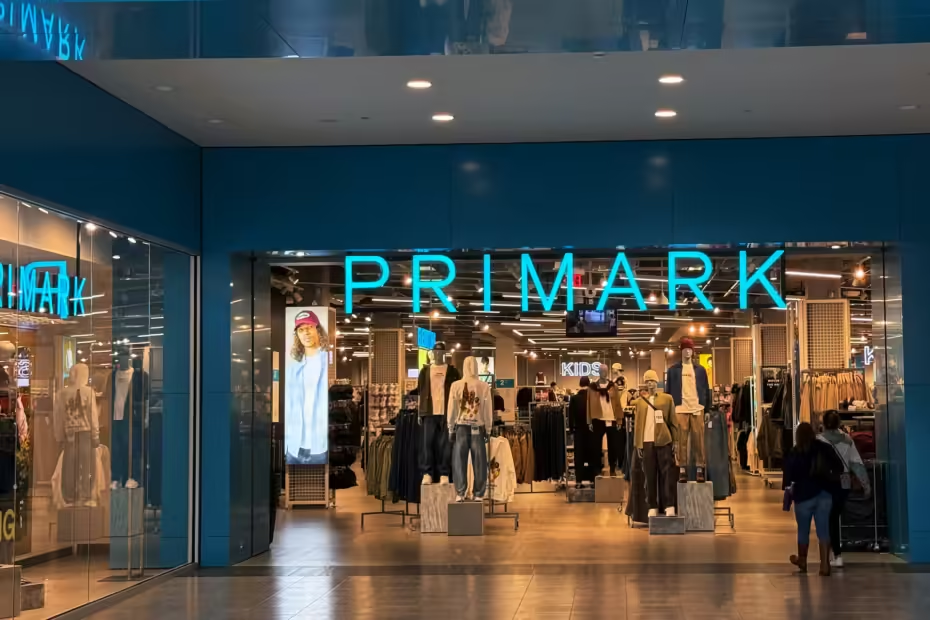
A fashion brand company is more than just a label stitched onto clothing. It is a carefully built identity that blends creativity, business strategy, cultural awareness, and customer emotion into something people are willing to wear—and often, proudly associate themselves with. In today’s fast-moving style industry, success doesn’t come from designs alone; it comes from how well a company understands its audience and tells its story through apparel.
From luxury houses in Paris to fast-growing online streetwear startups, the fashion world is shaped by companies that know how to turn fabric into influence. But what actually makes a fashion-focused business stand out in such a crowded market?
The Foundation of a Fashion Brand Company
At its core, a fashion brand company operates on four essential pillars: design, production, branding, and distribution. Each part plays a critical role in shaping how the final product is perceived.
Design is where creativity begins. Designers translate ideas, cultural inspiration, and seasonal trends into wearable concepts. Production then turns those sketches into physical garments, often involving manufacturers, fabric suppliers, and quality control teams. Branding gives the clothing its identity—name, logo, tone, and visual style. Finally, distribution ensures the products reach customers through retail stores, online platforms, or direct-to-consumer channels.
Without balance among these pillars, even the most visually stunning collection can struggle in the marketplace.
Why Branding Matters More Than Ever
In today’s saturated market, branding is often the deciding factor between success and obscurity. A fashion label is no longer just selling clothes; it is selling a lifestyle.
Customers don’t just ask, “Does this look good?” They ask, “Does this represent me?”
A strong identity helps a company create emotional connections. This is why some apparel businesses grow into cultural movements while others fade despite having similar product quality. The story behind the clothes often matters just as much as the clothes themselves.
When I worked with a small apparel startup, I noticed how a simple logo redesign and a consistent Instagram aesthetic completely changed customer engagement within weeks. The products stayed the same, but perception shifted dramatically.
Inside a Real Fashion Brand Journey
Imagine a group of young designers launching a streetwear-inspired fashion label. They start with bold graphic tees inspired by urban culture. At first, sales are slow, and visibility is limited. Instead of changing the product line, they focus on storytelling—sharing behind-the-scenes content, collaborating with micro-influencers, and building a recognizable visual identity.
Within a few months, their audience begins to grow. Customers start associating the brand with authenticity and creativity rather than just clothing. Eventually, their limited drops sell out within hours, proving that strategy and identity can be just as powerful as design itself.
This kind of transformation is not unusual in the modern apparel industry. It highlights how important positioning and storytelling are for any fashion-focused business.
Types of Fashion Brand Companies
Not all fashion companies operate the same way. Their strategies, pricing models, and audiences differ significantly.
| Type | Focus | Pricing | Example Strategy |
|---|---|---|---|
| Luxury Fashion House | Exclusivity & craftsmanship | Very high | Limited collections, runway shows |
| Fast Fashion Brand | Speed & affordability | Low to medium | Rapid trend replication |
| Streetwear Label | Culture & identity | Medium | Limited drops, hype marketing |
| Sustainable Fashion Brand | Ethics & environment | Medium to high | Eco materials, transparent sourcing |
Each model appeals to a different audience, and successful companies usually stick closely to their chosen identity rather than trying to appeal to everyone.
The Role of Digital Platforms in Growth
Digital transformation has completely reshaped how clothing brands operate. Social media platforms like Instagram, TikTok, and Pinterest have become essential tools for visibility. Instead of relying solely on physical stores, many companies now build entire businesses online.
E-commerce also allows smaller labels to compete with established giants. With the right digital strategy, even a startup can reach global audiences without massive retail investments.
Content creation, influencer partnerships, and user-generated visuals have become powerful tools in shaping brand perception. In many cases, online presence is now more important than physical storefronts.
Challenges in Running a Fashion Brand Company
While the industry looks glamorous from the outside, it comes with real challenges. Production costs, supply chain delays, changing trends, and intense competition can make it difficult to maintain consistency.
Another major challenge is staying relevant. Fashion cycles move quickly, and what is popular today may lose appeal in just a few months. Companies must constantly innovate without losing their core identity.
Additionally, balancing creativity with profitability is a constant struggle. Overly artistic designs may attract attention but not always generate sales, while overly commercial products risk losing uniqueness.
What Makes Fashion Businesses Truly Powerful
Beyond clothing, successful fashion companies build communities. They create spaces where people feel connected through shared aesthetics and values. This emotional connection is often what drives long-term loyalty.
A strong apparel business doesn’t just follow trends—it influences them. It becomes part of cultural conversations, music scenes, lifestyle movements, and even social identity.
This deeper connection is what separates temporary popularity from lasting impact.
Also Read: Fashion Tape Guide: Uses, Tips & Styling Hacks 2026
Conclusion
A fashion brand company is not simply a clothing producer; it is a storyteller, a cultural participant, and a business strategist all at once. Success in this field requires more than good design—it demands vision, consistency, and the ability to connect with people on an emotional level.
Whether it’s a luxury label, a streetwear startup, or a sustainable clothing line, the companies that thrive are those that understand both creativity and commerce. In a world where style is constantly evolving, adaptability and authenticity remain the strongest assets any fashion business can have.
FAQs
1. What does a fashion brand company do?
It designs, produces, and markets clothing while building a unique identity that connects with customers.
2. How do fashion brands become successful?
Success comes from strong branding, consistent quality, audience understanding, and effective marketing strategies.
3. Is starting a fashion brand expensive?
It can vary widely. Small online brands can start with low budgets, while larger production requires more investment.
4. What is the difference between a fashion brand and a clothing company?
A clothing company focuses mainly on production, while a fashion brand emphasizes identity, storytelling, and lifestyle.
5. Why is branding important in fashion?
Because it influences customer perception, loyalty, and emotional connection with the products.
6. Can a small fashion brand compete with big companies?
Yes, especially online, where creativity and niche targeting can help smaller brands grow quickly.