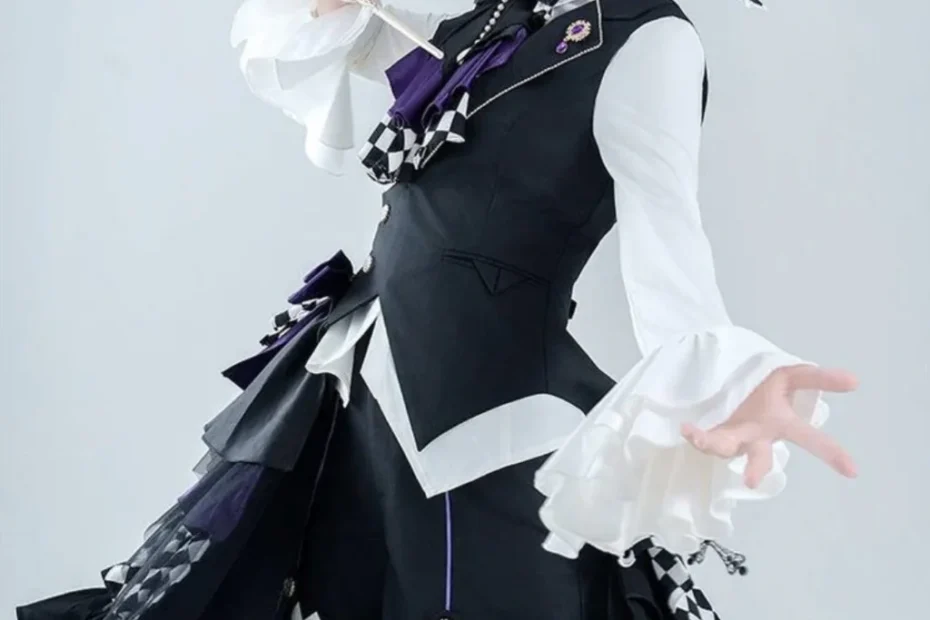
Fashion has always been more than clothing—it’s identity, expression, and sometimes even quiet rebellion. Among the most intriguing styles emerging from Japanese street fashion culture is ouji fashion, a refined, aristocratic-inspired aesthetic that blends elegance with a touch of theatrical charm. Often associated with androgynous or genderless styling, it allows wearers to step into a world where Victorian nobility meets modern creativity.
Table of Contents
ToggleUnlike mainstream trends that shift every season, this style has a timeless quality. It borrows heavily from historical European menswear, yet it is reimagined through a Japanese visual lens that prioritizes silhouette, storytelling, and individuality.
The Essence of Ouji Fashion
At its core, ouji fashion—sometimes called “prince style”—is about dressing like a youthful aristocrat from a fictional past. Think lace cuffs, tailored shorts, ornate waistcoats, knee-high socks, and structured jackets.
What makes it unique is not just the clothing pieces themselves but how they are styled together. Outfits are often symmetrical, polished, and dramatic without being overwhelming. Accessories like pocket watches, berets, and decorative canes complete the aristocratic illusion.
Unlike many Western fashion movements, this style doesn’t strictly follow gender norms. Anyone can wear it, regardless of identity, which is why it has become a powerful expression of freedom in fashion communities worldwide.
A Style Rooted in Japanese Street Fashion Culture
The roots of ouji fashion are deeply tied to Japanese street fashion movements that emerged in Harajuku. While gothic and lolita styles often get the spotlight, ouji fashion developed as a masculine or neutral counterpart.
It borrows visual inspiration from:
- Victorian-era menswear
- Rococo aristocratic clothing
- Stage costumes and theatrical fashion
- Manga and fantasy character design
Over time, designers and independent brands refined it into a recognizable aesthetic. Today, it stands alongside other alternative fashion styles as a niche but globally appreciated form of self-expression.
Key Elements That Define the Look
To understand ouji fashion properly, it helps to break down its signature elements:
- Tailored jackets or blazers with ornate detailing
- Knee-length shorts instead of trousers
- High socks or stockings for a structured silhouette
- Blouses with lace, ruffles, or jabots
- Accessories like hats, gloves, and brooches
- Dark or muted color palettes with occasional pastels
The balance between masculine structure and delicate decoration is what gives the style its charm. It’s both powerful and poetic at the same time.
Experiencing Ouji Fashion Beyond the Runway
Imagine attending a themed cultural event in a busy city. While most attendees wear modern casual outfits, one person walks in dressed in a structured navy jacket with gold detailing, lace-trimmed cuffs, and neatly styled knee-length shorts. A small pocket watch glints under soft lighting.
People naturally turn their heads—not because the outfit is strange, but because it tells a story. It feels like a character has stepped out of a historical drama and into real life. That’s the impact this fashion style can create in everyday settings.
Ouji Fashion vs. Similar Styles
To better understand its uniqueness, here’s a simple comparison with related fashion aesthetics:
| Feature | Ouji Fashion | Lolita Fashion | Western Formalwear |
|---|---|---|---|
| Gender Expression | Genderless / androgynous | Feminine-focused | Gendered (traditionally) |
| Silhouette Focus | Structured & sharp | Puffy & doll-like | Tailored & minimal |
| Inspiration Source | Aristocratic menswear | Victorian dresses | Business & formal suits |
| Accessories | Hats, canes, brooches | Bonnets, ribbons | Ties, watches |
| Overall Mood | Elegant, princely, theatrical | Cute, elegant, ornate | Professional, formal |
This comparison shows how ouji fashion sits in a unique middle ground—it borrows refinement from formalwear and creativity from subculture fashion.
Why People Are Drawn to This Style
One of the strongest appeals of ouji fashion is its ability to break boundaries. It allows wearers to step outside everyday identity expectations and experiment with presentation.
Many people are drawn to it because:
- It offers creative freedom without strict rules
- It blends historical aesthetics with modern individuality
- It challenges traditional gender expression in clothing
- It feels like wearing a character or persona
Interestingly, a friend once shared how wearing this style helped them feel more confident in social settings because it shifted attention from identity labels to artistic expression.
How to Start Building an Ouji Wardrobe
Getting started doesn’t require a complete wardrobe overhaul. Instead, it’s about layering and building gradually:
- Start with a neutral base (black or white shirts)
- Add structured jackets or waistcoats
- Choose knee-length shorts with a clean cut
- Introduce accessories like hats or brooches
- Experiment with lace, ribbons, or embroidery details
The key is balance. Overloading the outfit can take away its elegance, while too little detail may lose the aesthetic entirely.
Fabric, Colors, and Styling Logic
Color plays a subtle but important role. Most outfits lean toward black, white, navy, burgundy, or muted earth tones. Occasionally, softer shades like lavender or cream appear for a more whimsical feel.
Fabric choice also matters. Materials like velvet, cotton blends, and structured polyester help maintain the crisp silhouette that defines the look.
Styling is often symmetrical, meaning both sides of the outfit are visually balanced. This creates a polished, almost royal appearance.
The Cultural Impact
Beyond fashion, ouji style represents a shift in how people view clothing identity. It’s part of a larger movement in global fashion where self-expression is no longer confined by traditional categories.
Social media platforms have amplified its reach, allowing enthusiasts from different countries to share outfits, inspiration, and DIY modifications. As a result, it has become more accessible than ever before.
What Makes This Aesthetic Truly Unique
What makes this style truly stand out is its storytelling power. Every outfit feels intentional, almost like a character design. Instead of following seasonal trends, it encourages people to build a personal visual identity that can evolve over time.
This long-term approach to fashion makes it more sustainable emotionally and creatively. Rather than chasing what’s “in,” wearers focus on what feels expressive and meaningful.
Also Read: London College of Fashion Courses, Admissions Guide UK
Conclusion
Ouji fashion is more than just clothing—it’s a blend of history, fantasy, and personal identity. It invites people to explore elegance in a structured yet imaginative way, offering a refreshing alternative to conventional fashion norms. Whether worn for events, photography, or personal expression, it continues to inspire a global community of style enthusiasts who value creativity over conformity.
FAQs
1. Is ouji fashion only for men?
No, it is genderless. Anyone can wear it regardless of gender identity.
2. Do I need expensive clothes to start?
Not necessarily. Many outfits can be built using affordable basics and gradual additions.
3. Is it part of lolita fashion?
It is related but distinct. It often acts as the masculine or neutral counterpart within the same fashion culture.
4. Can it be worn daily?
Some elements can be adapted for everyday wear, but full outfits are usually worn for events or creative expression.
5. Where is it most popular?
It is most popular in Japan but has growing communities in Europe, the US, and online fashion circles worldwide.