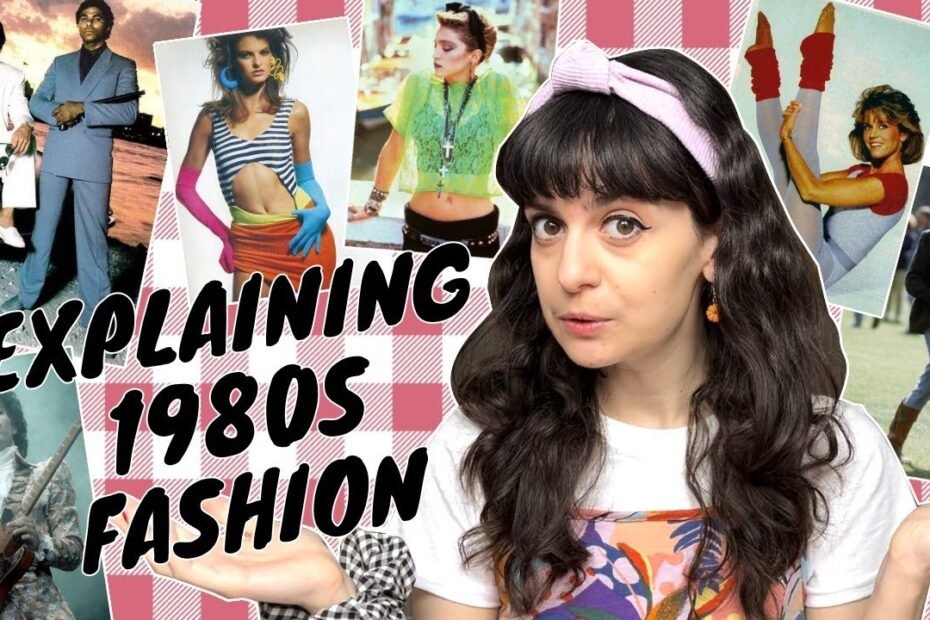
The 1980s weren’t subtle—and neither was the fashion. It was a decade defined by excess, experimentation, and unapologetic self-expression. From neon colors and oversized silhouettes to power dressing and punk rebellion, style in this era reflected a cultural shift toward individuality and confidence. Today, elements of that iconic aesthetic continue to cycle back into modern wardrobes, proving its lasting impact.
Let’s dive into what made 1980s fashion unforgettable, why it still matters, and how its spirit lives on.
The Spirit of 1980s Style
Fashion in the 80s wasn’t just about clothes—it was a statement. Economic growth, pop culture influence, and the rise of television networks like MTV reshaped how people dressed. Musicians, actors, and everyday individuals embraced bold choices.
Instead of blending in, people wanted to stand out. Bright colors clashed intentionally, silhouettes grew exaggerated, and accessories became larger than life. Whether someone leaned toward glam, athletic, or rebellious looks, the common thread was confidence.
Key Trends That Defined the Decade
1. Power Dressing
The rise of women in corporate spaces brought structured suits into the spotlight. Shoulder pads became a symbol of authority, giving jackets a strong, commanding shape. Paired with pencil skirts or tailored trousers, this look conveyed ambition and strength.
2. Neon and Bold Colors
Muted tones were left behind. Fluorescent pink, electric blue, and vivid green dominated wardrobes. These eye-catching hues reflected the energetic vibe of the decade and were often combined in daring ways.
3. Denim Everywhere
Denim wasn’t limited to jeans. Jackets, skirts, and even jumpsuits became staples. Acid-wash finishes added texture and attitude, making denim more expressive than ever.
4. Athleisure Beginnings
The fitness craze influenced everyday clothing. Leggings, sweatbands, and oversized sweatshirts became casual staples. Aerobics-inspired outfits weren’t just for the gym—they were worn on the streets.
5. Punk and Rock Influence
Leather jackets, ripped jeans, band tees, and studded accessories defined rebellious fashion. This subculture-inspired style added edge to the decade’s otherwise flashy aesthetic.
6. Accessories That Stole the Show
Big earrings, chunky necklaces, and layered bracelets completed the look. Belts were wide and bold, while sunglasses often came in unusual shapes and colors.
How 1980s Trends Shaped Everyday Wardrobes
Imagine walking into a high school in 1987. One student is wearing a neon windbreaker with high-waisted jeans and white sneakers. Another sports a leather jacket covered in pins, paired with ripped denim. Across the hallway, someone confidently struts in a tailored suit with padded shoulders and bold red lipstick.
No two styles look the same—but that’s exactly the point. The diversity of expression made fashion in the 1980s feel alive and unpredictable.
Personal Reflection
I once tried recreating an 80s-inspired outfit for a themed event—complete with a bright oversized blazer and statement accessories—and was surprised by how empowering it felt to wear something so unapologetically bold.
1980s Fashion vs Modern Fashion
Here’s a quick comparison to understand how style has evolved while still borrowing from the past:
| Feature | 1980s Fashion | Modern Fashion |
|---|---|---|
| Silhouettes | Oversized, exaggerated | Balanced, mix of fitted and relaxed |
| Colors | Bright, neon, high contrast | Neutral tones with occasional bold pops |
| Accessories | Large, statement-focused | Minimalist or selectively bold |
| Denim Style | Acid-wash, high-waisted | Slim, straight, or vintage-inspired |
| Influence Source | Music, TV, pop culture icons | Social media, influencers, sustainability |
| Approach | Maximalist and expressive | Mix of minimalism and retro revival |
Why 1980s Fashion Still Matters
The influence of this era hasn’t faded—it has evolved. Designers and brands frequently revisit 80s elements, from oversized blazers to high-waisted jeans. Even modern streetwear borrows from the decade’s relaxed yet expressive vibe.
But beyond aesthetics, the real legacy lies in its mindset. The 1980s encouraged people to dress for themselves, not for approval. That sense of individuality continues to shape fashion today.
How to Incorporate 80s Style Today
You don’t need a full retro wardrobe to capture the essence. Small touches can make a big impact:
- Add a structured blazer to your outfit
- Experiment with bold colors or patterns
- Choose statement accessories
- Try high-waisted denim
- Mix sporty and casual pieces
The key is balance—taking inspiration without overdoing it.
The Lasting Impact of 1980s Fashion
What most people overlook is how this era quietly reshaped the idea of fashion as identity. It wasn’t just about trends; it was about confidence, risk-taking, and self-expression. When you embrace even a small part of that philosophy today, your style becomes more than clothing—it becomes a reflection of who you are.
Read More: Sustainable Fashion: Style That Supports the Planet
Conclusion
1980s fashion was loud, fearless, and undeniably influential. It broke traditional rules and encouraged individuality in ways that still resonate today. From power suits to punk aesthetics, every trend told a story of cultural change and personal expression.
As fashion continues to evolve, the spirit of the 80s remains a reminder that style isn’t about fitting in—it’s about standing out.
FAQs
What made 1980s fashion unique?
It stood out for its bold colors, oversized silhouettes, and emphasis on individuality. People weren’t afraid to experiment.
Why were shoulder pads so popular?
They symbolized power and confidence, especially for women entering corporate environments.
Is 1980s fashion coming back?
Yes, many trends like high-waisted jeans, oversized blazers, and bold accessories are already part of modern fashion.
How can I dress in an 80s style without looking outdated?
Incorporate one or two elements—like a statement blazer or bright accessory—into a modern outfit.
What influenced fashion in the 1980s?
Music, television, celebrities, and cultural shifts played a major role in shaping trends.