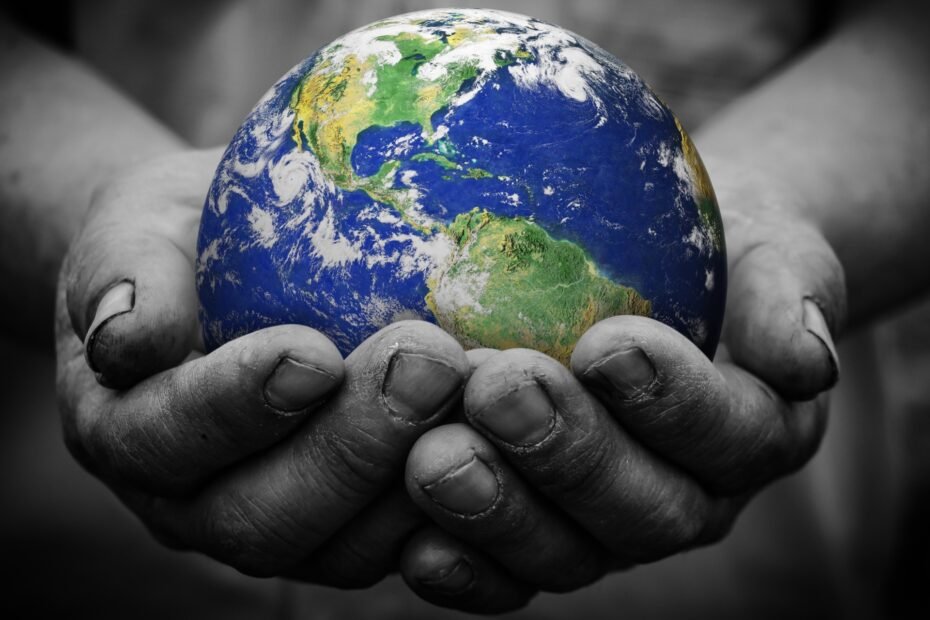
Fashion has always been about expression—who we are, how we feel, and where we belong. But in recent years, something deeper has entered the conversation: responsibility. The rise of sustainable fashion reflects a growing awareness that what we wear doesn’t just affect our style—it impacts the planet, people, and future generations.
This shift isn’t about sacrificing style for ethics. It’s about redefining what “good fashion” actually means.
What Is Sustainable Fashion, Really?
At its core, sustainable fashion refers to clothing that is designed, produced, and consumed in ways that minimize environmental harm and promote ethical labor practices. It considers the entire lifecycle of a garment—from raw materials to disposal.
Instead of chasing fast-changing trends, this approach emphasizes:
- Long-lasting quality
- Responsible sourcing
- Fair wages for workers
- Reduced waste and pollution
Think of it as fashion with a conscience—where every choice matters.
Why the Fashion Industry Needed a Shift
The traditional fashion industry, especially fast fashion, has long operated on a “produce more, sell cheap, discard quickly” model. While this makes trendy clothes accessible, it comes at a cost:
- Massive textile waste in landfills
- High water consumption and pollution
- Exploitation of low-wage labor
A single cotton shirt, for instance, can require thousands of liters of water. Multiply that across billions of garments, and the environmental footprint becomes impossible to ignore.
That’s where sustainable alternatives step in—not as a trend, but as a necessary evolution.
Key Elements of a More Conscious Wardrobe
1. Eco-Friendly Materials
Clothing made from organic cotton, recycled fibers, hemp, or bamboo reduces environmental impact. These materials often require fewer chemicals and less water.
2. Ethical Production
Brands focused on sustainability prioritize safe working conditions and fair wages. Transparency is a big part of this—knowing where and how your clothes are made.
3. Longevity Over Trends
Instead of buying ten cheap items that wear out quickly, investing in a few high-quality pieces that last longer is a smarter choice—both financially and environmentally.
4. Circular Fashion
This concept encourages recycling, upcycling, and reusing garments rather than throwing them away. Thrift stores, clothing swaps, and resale platforms are part of this ecosystem.
How Sustainable Fashion Applies in Everyday Life
Imagine someone preparing for a wedding season. In the past, they might buy multiple inexpensive outfits, wear each once, and then forget about them. Now, with a more mindful approach, they invest in one versatile, well-made outfit that can be styled differently for each event—or even rented instead of purchased.
This small change not only saves money over time but significantly reduces waste.
Fast Fashion vs Sustainable Fashion
Here’s a simple comparison to clarify the difference:
| Aspect | Fast Fashion | Sustainable Fashion |
|---|---|---|
| Production Speed | Rapid, mass production | Slower, thoughtful production |
| Material Quality | Low to متوسط | High and durable |
| Environmental Impact | High pollution and waste | Reduced footprint |
| Labor Practices | Often exploitative | Ethical and transparent |
| Cost Over Time | Cheap upfront, costly later | Higher upfront, better value |
This table highlights a key truth: what seems cheaper initially often costs more in the long run.
My Personal Experience
I remember buying a cheap jacket a few years ago just because it looked good in the moment, but it barely lasted a season—switching to fewer, better-quality pieces completely changed how I shop and actually saved me money over time.
How to Transition Without Overwhelming Yourself
You don’t need to overhaul your entire wardrobe overnight. Small, consistent changes are far more effective.
Start with:
- Buying less, but choosing better
- Supporting brands that align with your values
- Repairing clothes instead of discarding them
- Exploring second-hand options
Even being mindful of how often you wear something before buying it can make a big difference.
Why Sustainable Fashion Offers More Than Meets the Eye
Beyond the environmental and ethical benefits, there’s a subtle but powerful advantage: clarity. When you stop chasing every trend, your style becomes more defined. Your wardrobe feels cohesive. Decision fatigue disappears.
You spend less time wondering what to wear—and more time feeling confident in what you’ve chosen.
Challenges and Misconceptions
Despite its benefits, sustainable fashion isn’t without challenges.
“It’s Too Expensive”
While some pieces cost more upfront, they last longer, making them more cost-effective over time.
“It’s Hard to Find Stylish Options”
This was true years ago, but today many brands combine aesthetics with ethics beautifully.
“One Person Can’t Make a Difference”
Collective change starts with individual actions. Every purchase is a vote for the kind of world you want.
The Future of Fashion
The industry is evolving. Innovations like biodegradable fabrics, digital fashion, and closed-loop production systems are pushing boundaries. Consumers are becoming more informed—and brands are being held accountable.
This isn’t just a passing phase. It’s a long-term transformation in how we think about clothing.
Read More: Valentino Fashion Designer: Legacy & Style Icon
Conclusion
Sustainable fashion isn’t about perfection—it’s about progress. It invites us to be more intentional with our choices, to value quality over quantity, and to understand the impact of what we wear.
You don’t need to be an expert or spend a fortune to participate. Just start where you are. One better decision at a time can lead to meaningful change—not only for your wardrobe but for the world around you.
FAQs
What is sustainable fashion in simple terms?
It’s clothing made and used in ways that reduce harm to the environment and ensure fair treatment of workers.
Is sustainable clothing more expensive?
It can be upfront, but it often lasts longer, making it more affordable over time.
How can I start building a sustainable wardrobe?
Begin by buying fewer items, choosing higher quality, and exploring second-hand or ethical brands.
Does sustainable fashion mean giving up trends?
Not at all. It’s about being selective and choosing styles that last beyond short-term trends.
Are thrift stores part of sustainable fashion?
Yes, buying second-hand extends the life of clothing and reduces waste.