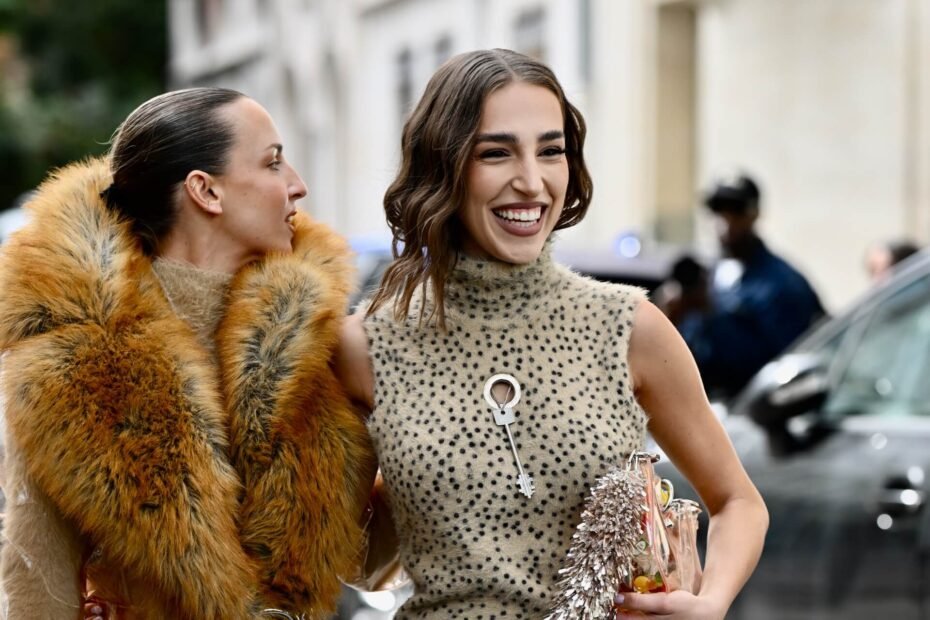
Paris Fashion Week is not just another stop on the fashion calendar—it is the heartbeat of global style innovation. Twice a year, Paris transforms into a living runway where creativity, culture, and craftsmanship collide. Designers, celebrities, editors, and influencers gather to witness collections that often define the direction of fashion for seasons ahead.
Table of Contents
ToggleUnlike ordinary fashion shows, this event carries a certain gravity. It is where emerging designers dream of being discovered and where luxury houses reinforce their legacy. From couture masterpieces to street-style revolutions outside the venues, every corner of Paris becomes a storytelling canvas.
The Essence Behind Paris Fashion Week
At its core, Paris Fashion Week is about expression without limits. It showcases womenswear, menswear, haute couture, and ready-to-wear collections across multiple days of curated shows. Each presentation is carefully timed, choreographed, and designed to leave an emotional impact.
The city itself plays a major role. Paris provides a backdrop that feels almost cinematic—historic architecture meets avant-garde design, creating a contrast that enhances every runway moment. Fashion houses like Chanel, Dior, and Louis Vuitton treat their shows as theatrical productions rather than simple presentations.
Beyond glamour, it is also a serious business hub where trends are forecasted, deals are made, and brand identities are reshaped.
Why Paris Remains the Fashion Capital
While cities like Milan, New York, and London host their own fashion weeks, Paris continues to hold a unique position. The reason lies in its heritage and precision. French fashion has long been associated with luxury craftsmanship, innovation, and artistic depth.
There is also an unmatched attention to detail. Every stitch, fabric choice, and runway setting is designed with intention. Even the pacing of shows feels different—slower, more deliberate, almost like a performance rather than a display.
I remember watching a livestream of a runway show where the silence before the first model stepped out felt heavier than applause. That moment alone captured the emotional weight Paris Fashion Week carries.
Inside the Atmosphere of Paris Fashion Week
A real-world scenario helps illustrate its impact.
Imagine arriving in Paris during fashion week: the streets around the Grand Palais or Louvre are filled with photographers, influencers rushing between shows, and stylists adjusting outfits moments before entrance. You might spot a celebrity stepping out of a car in a custom ensemble while across the street a student designer nervously waits for their debut.
Even if you’re just an observer, the atmosphere is contagious. The city feels faster, louder, and more expressive. Fashion is not confined to runways—it spills into cafés, metro stations, and hotel lobbies.
Key Highlights That Define the Event
Paris Fashion Week is structured but constantly evolving. Some key highlights include:
- Haute couture presentations featuring hand-crafted garments
- Ready-to-wear collections shaping upcoming retail trends
- Celebrity appearances and brand ambassadorship moments
- Street style photography that often goes viral globally
- Experimental runway formats using digital and immersive technology
Each of these elements contributes to the overall narrative of the season. Designers are no longer just showing clothes—they are building worlds.
Comparison: Haute Couture vs Ready-to-Wear
Here is a simple comparison to understand two major segments often featured during the event:
| Feature | Haute Couture | Ready-to-Wear (Prêt-à-Porter) |
|---|---|---|
| Production | Handcrafted, made-to-measure | Mass-produced in standard sizes |
| Audience | Private clients, elite buyers | Retail consumers and global market |
| Price Range | Extremely high | Moderate to luxury pricing |
| Purpose | Artistic expression | Commercial availability |
| Runway Style | Theatrical and artistic | Practical and trend-focused |
This distinction is what makes Paris Fashion Week so diverse—it bridges fantasy and reality in one calendar event.
The Behind-the-Scenes Power Driving Fashion Innovation
Beyond the glamour and celebrity appearances, the real power of Paris Fashion Week lies in forecasting. Fashion buyers, journalists, and trend analysts study every detail—from fabric textures to color palettes—to predict what will dominate retail markets months later.
A single runway look can influence fast fashion chains, luxury retailers, and even digital design trends. In that sense, the event is less about clothing and more about shaping global consumer behavior.
It also acts as a testing ground for innovation. Sustainable fabrics, AI-assisted designs, and gender-fluid collections often debut here before entering mainstream production.
The Role of Street Style Culture
Interestingly, not all fashion happens on the runway. Outside the venues, street style has become an equally powerful phenomenon. Photographers capture attendees who often wear experimental, bold, or curated outfits that sometimes rival the runway itself.
These images circulate online within minutes, influencing global audiences instantly. Many modern trends actually begin outside shows rather than inside them, driven by influencers and creative stylists attending the event.
Digital Evolution of Paris Fashion Week
In recent years, the fashion world has embraced digital transformation. Livestreamed shows, virtual front rows, and augmented reality presentations have expanded accessibility.
This shift has allowed global audiences to experience collections in real time, breaking geographical barriers. While physical attendance remains exclusive, digital coverage has democratized fashion exposure significantly.
Brands now design shows not only for live guests but also for millions watching online.
Read More: 1950s Fashion: Iconic Styles, Trends & History Guide
Conclusion
Paris Fashion Week stands as more than just a seasonal event—it is a cultural force shaping global aesthetics, commerce, and creativity. From haute couture masterpieces to street style revolutions, it captures the full spectrum of fashion expression.
Its influence extends far beyond Paris, setting trends that ripple through retail stores, social media feeds, and design studios worldwide. Whether you view it as art, business, or spectacle, its impact is undeniable.
FAQs
1. What is Paris Fashion Week?
It is a major international fashion event held in Paris where designers showcase seasonal collections across multiple categories including haute couture and ready-to-wear.
2. When does Paris Fashion Week take place?
It is held twice a year—typically in February/March for fall-winter collections and September/October for spring-summer collections.
3. Who attends Paris Fashion Week?
Fashion designers, celebrities, influencers, buyers, journalists, and industry professionals attend the event.
4. Why is Paris Fashion Week so important?
It sets global fashion trends, influences retail markets, and highlights innovation in design and craftsmanship.
5. Can the public attend Paris Fashion Week?
Most shows are invitation-only, but some events and livestreams are accessible to the public online.
6. What makes Paris Fashion Week different from others?
Its heritage, luxury focus, artistic presentation, and strong influence on global fashion make it the most prestigious fashion week in the world.