Table of Contents
ToggleRococo fashion isn’t just a historical style—it feels like stepping into a world where clothing became pure artistry. Born in 18th-century France, this aesthetic transformed dressing into a form of visual storytelling, filled with delicate curves, soft colors, and extravagant detailing that still influences designers today.
Unlike the heavier and more structured Baroque style that came before it, rococo clothing leaned into lightness, playfulness, and intimate luxury. It reflected a society that was increasingly fascinated with beauty for beauty’s sake, especially among the French aristocracy.
The Essence of Rococo Style
At its core, rococo fashion celebrates ornamentation. Think soft pastels, embroidered silk, lace trims, floral motifs, and silhouettes that emphasize elegance over practicality. Women’s gowns often featured wide panniers (side hoops) that exaggerated the hips, while bodices were tightly fitted and richly decorated.
Men’s fashion wasn’t left behind either. Gentlemen wore embroidered waistcoats, silk coats, and powdered wigs that signaled status and refinement.
What makes this style so fascinating is how unapologetically decorative it was. Every element had intention—whether it was a ribbon placed just so, or a delicate floral pattern stitched into silk.
A Personal Glimpse Into Rococo Inspiration
I remember visiting a historical costume exhibition where a real rococo court dress was displayed under soft lighting. Standing in front of it, I was struck by how something so old could still feel alive—the embroidery looked almost like it had been finished yesterday, and the colors were surprisingly soft and romantic rather than faded and dull.
That moment made it clear: rococo fashion wasn’t just clothing; it was an experience crafted for admiration.
Contemporary Revival of Rococo Elegance
Imagine a modern bridal designer preparing a couture wedding gown. Instead of going for minimalism, they draw inspiration from rococo elements—layered silk skirts, hand-stitched floral embroidery, and pearl detailing across the bodice.
Now picture the bride walking down a candlelit aisle in a historic European venue. The dress catches the light with every movement, echoing the same sense of opulence that 18th-century aristocrats once embraced. That’s rococo fashion living again in a modern world.
Key Elements That Define Rococo Fashion
Rococo style can be broken down into several signature characteristics:
- Soft pastel color palettes (lavender, blush pink, mint green, sky blue)
- Luxurious fabrics like silk, satin, and velvet
- Heavy use of lace, ribbons, and floral embroidery
- Exaggerated silhouettes with wide skirts and fitted bodices
- Decorative accessories such as feathered hats and jeweled shoes
These details worked together to create a look that felt both delicate and extravagant at the same time.
Rococo vs Baroque Fashion
To truly understand rococo fashion, it helps to compare it with its predecessor. While both styles are luxurious, they express luxury differently.
| Feature | Baroque Fashion | Rococo Fashion |
|---|---|---|
| Mood | Dramatic, heavy, formal | Light, playful, romantic |
| Colors | Deep reds, golds, dark tones | Pastels, soft hues |
| Design Focus | Power and authority | Beauty and leisure |
| Silhouette | Structured and rigid | Flowing and decorative |
| Embellishment | Bold, large patterns | Delicate, intricate detailing |
This shift from grandeur to grace reflects a cultural change in Europe, where aristocratic life became more focused on leisure, art, and social display.
Cultural Meaning Behind Rococo Clothing
Rococo fashion was more than aesthetic indulgence—it was a social language. Clothing indicated wealth, status, and even personality. The more elaborate your outfit, the more you signaled your place in society.
However, it wasn’t only about status. It was also about identity and expression within strict social boundaries. Even small details like bow placement or embroidery patterns could suggest taste and refinement.
Modern Influence of Rococo Fashion
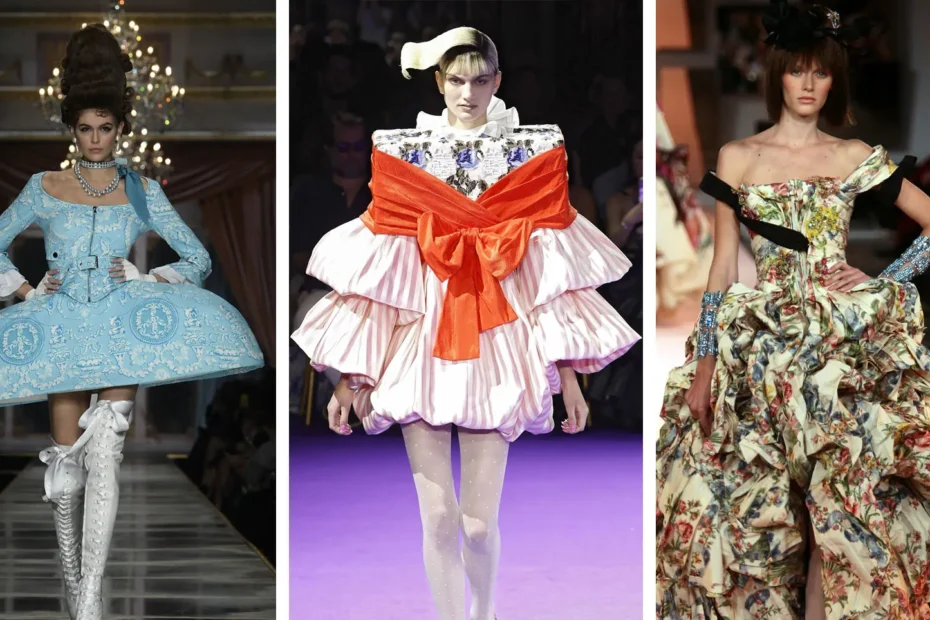
Even today, the spirit of rococo fashion continues to inspire designers, especially in haute couture. Fashion houses often reinterpret its elements in modern collections:
- Flowing gowns with exaggerated skirts appear on red carpets
- Pastel color trends dominate seasonal fashion cycles
- Floral embroidery remains a staple in luxury design
- Accessories like pearl hairpins and ornate jewelry echo rococo ornamentation
What’s interesting is how these elements are often simplified today, yet still retain their romantic essence.
Why Rococo Fashion Still Matters
The appeal of rococo fashion lies in its emotional quality. It doesn’t try to be practical or minimal—it exists purely to delight the senses. In a modern world dominated by fast fashion and simplicity, rococo reminds us of craftsmanship, patience, and artistic excess.
It also highlights something deeper: fashion can be expressive art, not just utility.
A Unique Perspective on Rococo Aesthetics
One of the most compelling aspects of rococo design is how it transforms clothing into a living canvas. Every stitch feels intentional, almost like brushstrokes on fabric. This attention to detail is something modern fashion often struggles to replicate at scale.
In a way, rococo fashion teaches us to slow down and appreciate the artistry behind clothing—not just how it looks, but how it is made and what it represents.
Read More: Babyboo Fashion Trends: Stylish Outfits & Outfit Ideas!
Conclusion
Rococo fashion stands as one of the most visually enchanting periods in style history. With its soft palettes, intricate detailing, and romantic silhouettes, it represents a time when fashion was deeply tied to art and cultural expression.
Even centuries later, its influence continues to ripple through modern design, proving that elegance never truly goes out of style. Whether seen in couture gowns or subtle design details, rococo’s legacy is still vey much alive.
FAQs
1. What defines rococo fashion?
Rococo fashion is defined by ornate decoration, pastel colors, silk fabrics, and elegant yet exaggerated silhouettes.
2. When was rococo fashion popular?
It was most popular in the early to mid-18th century, especially in France before the rise of neoclassical style.
3. How is rococo different from Baroque fashion?
Rococo is lighter, more playful, and pastel-focused, while Baroque is darker, heavier, and more dramatic.
4. Is rococo fashion still used today?
Yes, it influences modern haute couture, bridal wear, and luxury fashion design.
5. Why is rococo fashion considered important?
It represents a key cultural shift in fashion history where clothing became more expressive, artistic, and decorative.