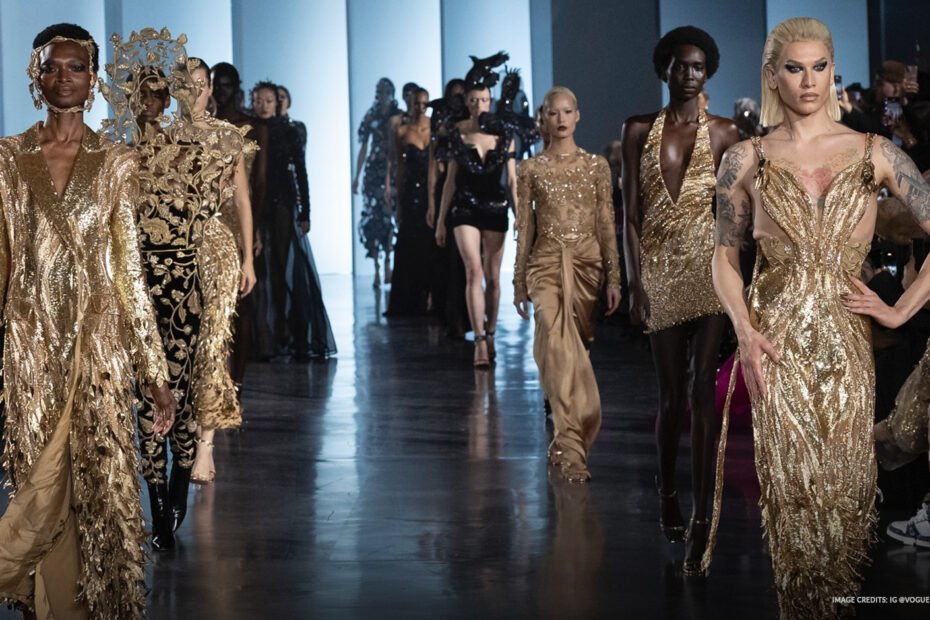
Fashion is more than fabric stitched together—it is a constantly evolving language that people use to express identity, confidence, and belonging. From streetwear to luxury couture, what we wear often communicates more about us than words ever could. In today’s world, style is no longer limited to seasonal collections or elite runways; it is shaped by social media, cultural exchange, sustainability concerns, and individual creativity.
At its core, fashion is deeply personal yet universally shared. Every outfit tells a story, whether intentional or subconscious. It reflects mood, profession, culture, and sometimes even ambition. Understanding fashion means understanding how humans interpret identity through appearance.
The Evolution of Style Through Time
Fashion has never been static. It shifts with history, technology, and social change. In earlier centuries, clothing primarily indicated social status and occupation. Over time, it evolved into a form of self-expression accessible to wider audiences.
The 20th century brought dramatic transformations—ready-to-wear clothing, global brands, and the rise of youth-driven trends. Today, digital platforms accelerate trend cycles, making styles go viral in days instead of seasons.
Interestingly, modern fashion no longer follows a single direction. Instead, it branches into multiple overlapping movements such as minimalism, maximalism, sustainable wardrobes, and vintage revival. Each reflects a different response to modern life.
One thing I personally noticed while traveling across different cities is how local style adapts global influence while still preserving cultural uniqueness, making fashion feel both familiar and refreshingly distinct.
Fashion as a Personal Identity Marker
Clothing is often the first impression we give to the world. Without speaking, our outfit communicates personality traits such as confidence, creativity, discipline, or casual ease. This silent communication is why fashion holds psychological importance.
For some, it’s about standing out. For others, it’s about fitting in or feeling comfortable. What makes fashion fascinating is that there is no universal rule—it adapts to each individual’s lifestyle and mindset.
A real-world scenario illustrates this clearly: imagine a university student preparing for an internship interview. They might choose a formal blazer and neutral tones to project professionalism. On the same day, that same student might switch to relaxed streetwear for an evening outing with friends. The wardrobe change reflects not just setting, but identity shifts throughout the day.
Understanding Different Fashion Approaches
Modern fashion can broadly be understood through different style philosophies. Each has its own appeal, strengths, and limitations.
| Style Approach | Key Focus | Strengths | Limitations |
|---|---|---|---|
| Fast Fashion | Trend-driven, affordable items | Accessible, quick variety | Environmental concerns, short lifespan |
| Sustainable Fashion | Ethical production, eco materials | Environment-friendly, durable | Higher cost, limited availability |
| Luxury Fashion | High-end craftsmanship | Prestige, quality, exclusivity | Expensive, less accessible |
This comparison shows that fashion is not one-dimensional. Each approach serves a different audience and purpose. While fast fashion prioritizes affordability and speed, sustainable fashion emphasizes responsibility, and luxury fashion focuses on craftsmanship and exclusivity.
The Influence of Digital Culture on Fashion
Social media platforms have completely reshaped how trends are created and consumed. A single influencer outfit can spark global demand within hours. This digital acceleration has shortened fashion cycles and increased experimentation among younger audiences.
Online shopping platforms have also made global styles more accessible than ever. Someone in one part of the world can instantly purchase clothing inspired by another culture or region. While this creates diversity, it also raises questions about originality and cultural appreciation.
At the same time, virtual fashion shows, AI-designed clothing, and digital wardrobes are emerging trends that challenge traditional ideas of clothing. Fashion is no longer limited to physical garments—it is expanding into virtual identity spaces as well.
Sustainability and the New Fashion Mindset
One of the most important shifts in modern fashion is the growing awareness of sustainability. Consumers are becoming more conscious of where their clothes come from, how they are made, and what impact they leave behind.
Brands are now experimenting with recycled materials, biodegradable fabrics, and ethical production processes. This shift is not just a trend but a necessary evolution in response to environmental challenges.
People are also adopting “less but better” wardrobes, focusing on quality pieces that last longer instead of constantly chasing new trends. This mindset encourages intentional consumption and reduces waste.
The Emotional Side of Dressing
Fashion is not purely logical—it is emotional. People often choose clothing based on how they feel rather than how they should look. Bright colors may reflect optimism, while darker tones can signal seriousness or calmness.
Dressing also influences mood. Wearing something well-fitted or aesthetically pleasing can improve confidence and productivity. This psychological connection between clothing and emotion is one of the most overlooked aspects of style.
Why Fashion Will Always Matter
Despite constant changes in trends, fashion remains a fundamental part of human culture. It adapts to technology, reflects social movements, and evolves with generational values. Yet its core purpose stays the same: self-expression.
Whether someone prefers minimalist outfits, bold streetwear, or traditional attire, fashion provides a canvas for identity. It allows people to communicate who they are without saying a word.
Read More: Max Fashion UAE Guide: Affordable Style & Trends 2026 .
Conclusion
Fashion is a dynamic blend of creativity, culture, and personal identity. It evolves with time but never loses its core purpose—expression. From sustainable choices to digital innovations, the industry continues to transform how people interact with clothing.
Ultimately, fashion is not about following rules but about understanding oneself. When used intentionally, it becomes a powerful tool for confidence, communication, and creativity.
FAQs
1. What is fashion in simple terms?
Fashion refers to the styles of clothing, accessories, and appearance that people wear to express themselves and follow cultural or personal trends.
2. Why is fashion important in daily life?
It helps individuals express identity, boost confidence, and adapt to different social or professional environments.
3. How do fashion trends start?
Trends often begin through designers, influencers, celebrities, and social media platforms before spreading globally.
4. What is sustainable fashion?
It is an approach that focuses on eco-friendly materials, ethical production, and reducing environmental impact.
5. Can fashion influence personality?
Yes, clothing choices often reflect mood, confidence, and personal style preferences, influencing how others perceive us.