Table of Contents
ToggleFashion designing is more than just creating clothes—it’s a powerful blend of creativity, culture, and technical skill that influences how people express themselves in everyday life. From luxury runways in Paris to small boutique studios in local cities, this field continues to evolve with new trends, fabrics, and digital tools. Whether someone dreams of becoming a designer or simply wants to understand the industry, fashion designing opens a fascinating world of innovation and personal expression.
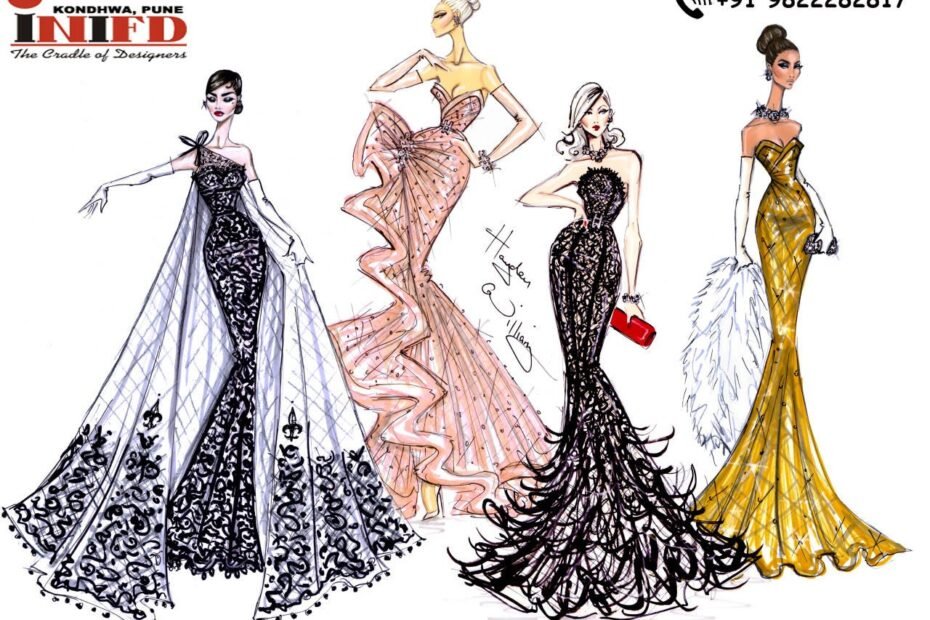
At its core, fashion designing is about transforming ideas into wearable art. Designers study fabrics, sketch concepts, experiment with patterns, and eventually bring garments to life that reflect both individuality and market demand. It is a profession where imagination meets practicality, and where every stitch tells a story.
Understanding the Essence of Fashion Design
Fashion designing involves the creation of clothing, accessories, and footwear that are both functional and visually appealing. Designers must consider not only aesthetics but also comfort, usability, and cultural relevance.
The field can be divided into several categories:
- Haute couture (high-end custom fashion)
- Ready-to-wear collections
- Mass-market fashion
- Sustainable and eco-friendly fashion lines
Each category requires different levels of creativity, production methods, and customer understanding. A designer working in luxury fashion may focus on intricate detailing and exclusive fabrics, while another in fast fashion prioritizes speed and affordability.
Skills That Define a Successful Designer
To thrive in this industry, creativity alone is not enough. A combination of artistic vision and technical ability is essential. Key skills include:
- Strong sketching and visualization abilities
- Knowledge of textiles and fabric behavior
- Understanding of color theory and aesthetics
- Pattern making and garment construction
- Familiarity with design software like Adobe Illustrator
- Trend forecasting and market research
In today’s digital world, many designers also use 3D fashion tools and AI-based design platforms to speed up their workflow and experiment with virtual prototypes.
I still remember visiting a small design studio where a young designer explained how she turned a simple hand-drawn sketch into a fully stitched outfit within days using digital pattern software—it completely changed how I viewed modern creativity in fashion.
The Fashion Design Process Explained
Creating a clothing line is a structured journey. While it feels artistic, it follows a systematic process:
- Inspiration gathering (nature, culture, history, or trends)
- Sketching initial ideas
- Selecting fabrics and materials
- Creating patterns and prototypes
- Sample testing and fitting
- Final production and marketing
Every stage requires attention to detail. Even a small adjustment in fabric choice can completely change the final look and feel of a garment.
Turning Inspiration Into a Market-Ready Collection
Imagine a young designer preparing for a local fashion show. She starts with a concept inspired by traditional embroidery patterns from her region. After sketching her ideas, she selects lightweight fabrics that match the summer season. She then works closely with tailors to bring each piece to life.
During fittings, she realizes one design doesn’t drape well on the model. Instead of discarding it, she modifies the cut, turning it into one of the most admired outfits in her collection. On the day of the show, her designs receive attention from boutique owners, leading to her first professional order.
This scenario highlights how fashion designing is not just about ideas—it is about adaptation, problem-solving, and real-world execution.
Comparison: Traditional vs Modern Fashion Designing
| Aspect | Traditional Fashion Designing | Modern Fashion Designing |
|---|---|---|
| Design Method | Hand sketches | Digital software & 3D tools |
| Production | Manual tailoring | Automated & hybrid production |
| Speed | Slow and detailed | Fast and trend-driven |
| Creativity Style | Cultural & handcrafted | Experimental & tech-driven |
| Sustainability Focus | Limited awareness | Strong eco-conscious approach |
This comparison shows how the industry has evolved dramatically. While traditional methods still hold artistic value, modern techniques have made the process faster and more globally connected.
The Growing Importance of Fashion Industry
Fashion designing is not just an artistic field—it is a global business worth billions of dollars. It influences retail markets, advertising, entertainment, and even social media culture. Designers today are also brand builders, shaping how people perceive style and identity.
With the rise of online shopping platforms and influencer marketing, fashion designers now have direct access to global audiences. This shift has opened doors for independent creators who once struggled to enter the industry.
How Modern Fashion Design Creates Lasting Impact
One of the most powerful changes in recent years is the shift toward sustainability. Designers are now exploring eco-friendly fabrics, recycled materials, and ethical production methods. This movement is not just a trend—it is becoming a necessity.
Fashion designing today is about balancing creativity with responsibility. Designers who understand this balance are more likely to succeed in the long run because modern consumers are increasingly conscious of environmental impact and ethical sourcing.
Career Opportunities in Fashion Designing
The career scope in this field is wide and diverse:
- Fashion designer
- Textile designer
- Costume designer for films and TV
- Fashion illustrator
- Fashion merchandiser
- Brand stylist
- Fashion entrepreneur
Each path offers unique challenges and rewards. Some designers prefer working with established brands, while others launch their own labels to express complete creative freedom.
Challenges in the Fashion Industry
Despite its glamour, the industry is highly competitive. Designers often face:
- Tight deadlines
- High production costs
- Rapidly changing trends
- Intense competition
- Pressure to innovate constantly
However, these challenges also push designers to think creatively and stay ahead of trends.
Read More: Iznik Fashion: Modern Modest Style &Timeless Elegance
Conclusion
Fashion designing is a dynamic blend of art, culture, and innovation. It allows individuals to express creativity while solving real-world design challenges. From sketching ideas to presenting final collections on the runway, every step reflects passion and precision.
As the industry continues to evolve with technology and sustainability, new opportunities are emerging for those willing to learn and adapt. Whether you aim to become a professional designer or simply appreciate fashion as an art form, this field offers endless inspiration and growth.
FAQs
1. What is fashion designing?
Fashion designing is the art of creating clothing, accessories, and footwear that combine aesthetics with functionality.
2. Do I need a degree to become a fashion designer?
A degree is helpful but not always required. Skills, creativity, and portfolio matter more in many cases.
3. What software do fashion designers use?
Common tools include Adobe Illustrator, CLO 3D, and CorelDRAW.
4. Is fashion designing a good career choice?
Yes, it offers diverse opportunities in design, styling, merchandising, and entrepreneurship.
5. How long does it take to become a fashion designer?
It usually takes 2–4 years of study or training, followed by practical industry experience.