The aditya birla fashion and retail share price has become a hot topic among retail investors and market watchers, especially as India’s fashion retail sector continues evolving rapidly. Whether you’re a beginner or someone tracking mid-cap retail stocks, understanding how this stock behaves can give you valuable insight into the broader retail economy.
Let’s break it down in a clear, conversational way—without the noise.
Understanding the Company Behind the Stock
Aditya Birla Fashion and Retail Ltd. (ABFRL) is one of India’s leading fashion companies, managing well-known brands like Pantaloons, Van Heusen, Allen Solly, and Louis Philippe. Its portfolio spans premium, fast fashion, ethnic wear, and even luxury retail.
The company operates in a sector that is heavily influenced by:
- Consumer spending habits
- Seasonal demand
- Brand positioning
- Economic cycles
This makes the stock dynamic—and sometimes unpredictable.
Current Share Price Snapshot & Recent Movement
As of early 2026, the stock has shown noticeable fluctuations:
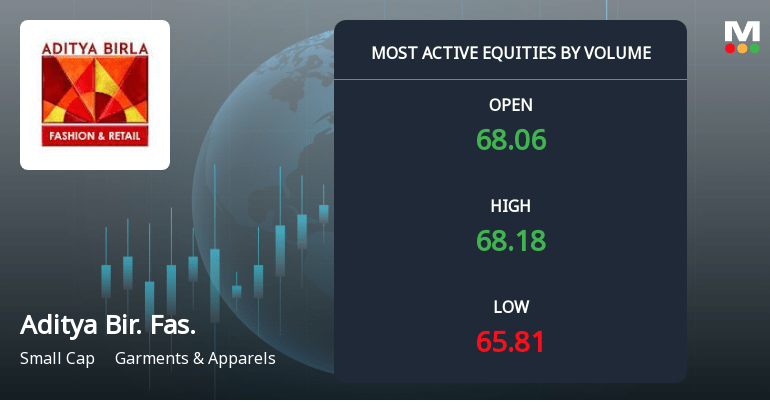
- Around ₹73.30 in February 2026, gaining over 4% in a session
- Earlier in January, it traded near ₹68–₹77 range, reflecting volatility
- Year-to-date performance remained negative (~-8.78%), indicating pressure on the stock
In simple terms, this is not a stable “slow mover” stock—it reacts quickly to news, earnings, and investor sentiment.
What Drives the Price Movement?
1. Financial Performance
The company has faced losses in recent quarters, which directly impacts investor confidence. For instance, it reported a net loss exceeding ₹150 crore in a recent quarter .
However, there are signs of improvement:
- Revenue growth continues
- Losses have narrowed over time (as seen in investor discussions)
This creates a mixed signal—growth exists, but profitability is still a work in progress.
- Market Events & Big Deals
A real-world example:
In January 2026, the stock fell sharply (around 9%) after a large block deal worth ₹289 crore .
This shows how institutional activity can significantly impact price movement—sometimes overnight.
- Industry Trends
India’s retail sector is expanding again after a consolidation phase. Companies like ABFRL are focusing on:
- Profitability over aggressive expansion
- Strategic store openings
- Digital and omnichannel growth
At the same time, limited luxury retail infrastructure in India is slowing premium growth potential .
Technical Analysis: Key Levels to Watch
For short-term traders, technical levels matter:
- Support levels: ₹60–₹70 range
- Resistance levels: ₹74–₹77 range
If the stock breaks above resistance, it could signal bullish momentum.
If it falls below support, further downside is possible.
Comparison with Competitors
Here’s a quick comparison with peers in the fashion retail sector:
| Company | Market Position | Profitability | Stock Stability |
| Aditya Birla Fashion | Diversified fashion giant | Currently volatile | Medium risk |
| Vedant Fashions | Ethnic wear leader | Strong margins | More stable |
| Metro Brands | Footwear retail | Consistent growth | Relatively stable |
ABFRL stands out for its brand diversity, but that also makes operations more complex.
Market Scenario and Its Impact on Share Price
Imagine a festive season like Diwali. Footfall increases across malls, and brands like Pantaloons and Allen Solly see strong sales. Investors expect higher quarterly revenue, and the stock price often rises in anticipation.
Now flip the situation—if inflation rises and consumer spending drops, fashion purchases decline. The stock reacts quickly, often falling before earnings even come out.
Personal Insight
I once tracked this stock during a retail boom phase, expecting steady growth—but the sudden drop after a bulk deal reminded me how market sentiment can overpower fundamentals in the short term.
Strengths That Support Long-Term Potential
- Strong brand portfolio across segments
- Backing of the Aditya Birla Group
- Expansion into premium and luxury categories
- Omnichannel (online + offline) strategy
These factors quietly build long-term value, even when short-term price movements look unstable.
Risks Investors Should Know
- Continued losses impacting valuation
- High competition in fashion retail
- Sensitivity to economic slowdowns
- Dependency on consumer discretionary spending
In simple terms, this is not a “safe” defensive stock—it belongs to a cyclical, consumer-driven sector.
Future Outlook: What Lies Ahead?
The future of the aditya birla fashion and retail share price depends on three major factors:
- Profitability turnaround
- Successful demerger and restructuring strategies
- Growth in premium and luxury segments
If these align, the stock could regain investor confidence. If not, volatility may continue.
Read More :Latest Fashion for Mens Party Wear Trends Guide
Conclusion
The aditya birla fashion and retail share price reflects a classic growth-versus-profitability story. It’s a company with strong brand power and long-term potential, but short-term uncertainty keeps the stock fluctuating.
For investors, the key is understanding one thing:
This stock is less about stability and more about timing, patience, and belief in India’s retail growth story.
FAQs
1. Is Aditya Birla Fashion a good stock to invest in?
It depends on your risk appetite. It offers growth potential but comes with volatility due to inconsistent profitability.
2. Why is the share price so volatile?
Factors like quarterly losses, block deals, and retail sector trends cause frequent price swings.
3. What is the future outlook for ABFRL stock?
The outlook is cautiously optimistic, especially if the company improves profitability and expands its premium segment.
4. What affects the stock price the most?
Key drivers include earnings results, institutional activity, consumer demand, and overall market sentiment.
5. Is this stock suitable for beginners?
Only if they are comfortable with risk. It’s better suited for investors who can handle fluctuations and think long-term.