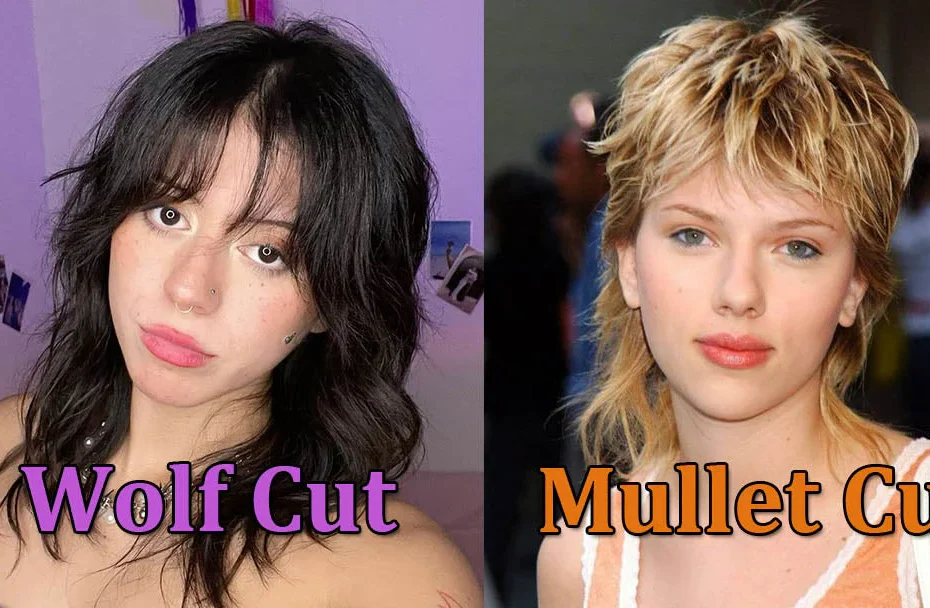
The mullet cut is one of those hairstyles that never truly disappears—it evolves. Known for its “business in the front, party in the back” vibe, the mullet has transcended decades, surfacing in everything from 1980s rock culture to contemporary street fashion. Whether you’re aiming for a bold statement or a subtle nod to nostalgia, understanding the nuances of this hairstyle can transform your look.
Origins and Evolution of the Mullet Cut
The mullet cut traces back to ancient times when functional hairstyles were necessary for warriors and workers. However, it gained mainstream popularity in the late 20th century, particularly among rock stars and athletes. By the 1980s, it became iconic—synonymous with rebellion and individuality.
Over time, the mullet has evolved. Today’s interpretations range from soft, textured layers for a modern twist to bold, edgy variations with sharp lines. Social media influencers and celebrities have embraced the style, making it a symbol of confidence and self-expression.
Types of Mullet Cuts
Understanding the different mullet styles helps you choose the right one for your personality and lifestyle. Here are the most popular types:
| Style | Description | Best For |
|---|---|---|
| Classic Mullet | Short front, long back; iconic retro look. | Nostalgic and bold personalities |
| Modern Textured Mullet | Layered and soft; blends with natural hair movement. | Trendy, casual, everyday wear |
| Shaggy Mullet | Messy layers with volume; edgy yet approachable. | Artistic and adventurous |
| Fade Mullet | Tapered sides with longer back; sleek and contemporary. | Professional yet stylish |
| Curly Mullet | Enhances natural curls; balanced shape front and back. | Curly hair with personality |
From my personal experience, trying a modern textured mullet completely changed how I styled my hair—it gave me versatility I never had with classic cuts.
Styling Tips for the Mullet Cut
Styling a mullet cut is easier than many assume. Here are practical tips:
- Texturize your layers – Use a lightweight styling cream or sea salt spray to define movement.
- Regular trims – Keep the back clean while letting the front and sides grow naturally.
- Experiment with volume – Blow-drying can add height and dimension.
- Play with colors – Highlights or balayage can modernize the cut.
A real-world scenario: Consider a corporate employee who wants a hairstyle that’s professional yet unique. A subtle fade mullet allows them to keep a polished front while showing a fun personality in informal settings.
Why the Mullet Cut Stands Out
The unique value of a mullet cut lies in its adaptability. It suits a wide range of hair textures, face shapes, and lifestyles. Unlike other haircuts that may require constant maintenance or rigid styling, the mullet embraces individuality and fluidity. This versatility has led to its resurgence among fashion-forward individuals and celebrities alike.
Common Mistakes to Avoid
Even a great haircut can lose impact if styled incorrectly. Avoid these pitfalls:
- Over-layering the back – Can make the style appear uneven.
- Neglecting hair texture – Curly and straight hair respond differently; consult a stylist.
- Ignoring face shape – Front layers should complement your facial features.
Mullet Cut vs Other Popular Haircuts
| Haircut | Front | Back | Vibe |
|---|---|---|---|
| Mullet Cut | Short or medium | Long | Bold, edgy, versatile |
| Crew Cut | Short | Short | Clean, classic, low-maintenance |
| Shag | Layered | Layered | Textured, casual |
| Pompadour | High and voluminous | Tapered | Sleek, formal, statement |
As you can see, the mullet cut balances between the formal and the playful, giving it unmatched versatility compared to other popular hairstyles.
Maintenance Tips
Maintaining a mullet cut isn’t complicated, but consistency matters:
- Shampoo and condition properly – Keep the longer back healthy.
- Use heat protection – Especially for textured or styled mullets.
- Schedule trims every 6–8 weeks – Prevent the style from becoming unruly.
Read More: Textured Crop Hairstyles: Modern & Easy Styling
Conclusion
The mullet cut is far more than a nostalgic throwback; it’s a bold, versatile hairstyle that adapts to modern trends while maintaining its iconic edge. From classic rock-inspired looks to contemporary textured variations, this cut offers a blend of individuality and practicality. Whether you’re looking for subtle flair or a striking statement, the mullet remains a hairstyle that stands out in any crowd.
FAQs
Q1: Can anyone pull off a mullet cut?
Yes! With the right style and proportion, mullets can suit different face shapes and hair textures. Consulting a stylist helps.
Q2: How often should I trim a mullet?
Every 6–8 weeks to maintain shape, especially for the back.
Q3: Is the mullet cut professional enough for the workplace?
Modern variations like the fade or textured mullet can be styled subtly for professional settings.
Q4: Can I style a curly mullet?
Absolutely! Curly hair adds natural volume and texture. Use hydrating products to enhance curls.
Q5: How do I modernize a classic mullet?
Add layers, subtle highlights, or a fade to balance the retro vibe with contemporary style.