Table of Contents
ToggleThe world of 70s fashion is one of the most expressive, experimental, and unforgettable eras in style history. It wasn’t just about clothing—it was a cultural movement shaped by music, freedom, rebellion, and creativity. From disco dance floors to laid-back bohemian streets, the 1970s gave rise to looks that still influence modern wardrobes today.
Unlike more structured decades, this era embraced individuality. People mixed textures, colors, and silhouettes in ways that felt bold and personal. Whether it was flared jeans, silky shirts, or oversized sunglasses, everything carried a sense of personality and attitude.
The Spirit Behind 1970s Style
What made 1970s style so unique was its diversity. Instead of a single dominant trend, multiple fashion identities coexisted. On one side, you had glamorous disco outfits inspired by nightlife culture. On the other, relaxed bohemian outfits reflected peace, nature, and artistic expression.
A personal observation: when I first explored vintage clothing markets, I noticed how many modern outfits quietly borrow from the 70s—especially flared trousers and earthy tones that feel surprisingly current.
This decade was also heavily influenced by music legends and pop culture icons. Their stage outfits quickly turned into everyday fashion inspiration, blending entertainment with street style.
Key Elements That Defined 70s Fashion
Several signature pieces shaped the decade’s identity:
- Flared jeans and bell-bottom trousers
- Platform shoes and boots
- Psychedelic prints and bold patterns
- Wide-collar shirts
- Fringe jackets and suede textures
- Maxi dresses and flowing skirts
- Chunky jewelry and oversized sunglasses
Each piece wasn’t just clothing—it represented freedom of expression.
Disco Glam vs Boho Chic: A Style Comparison
The two biggest fashion directions of the decade were disco glam and bohemian chic. They couldn’t be more different, yet both defined the era beautifully.
| Feature | Disco Glam Style | Boho Chic Style |
|---|---|---|
| Inspiration | Nightlife, music, dance clubs | Nature, art, freedom |
| Fabrics | Satin, silk, sequins | Cotton, suede, denim |
| Colors | Metallics, bold brights | Earth tones, muted shades |
| Silhouette | Tight, fitted, shiny | Loose, flowy, relaxed |
| Popular Items | Jumpsuits, platform heels | Maxi dresses, fringe vests |
This contrast shows how flexible 70s fashion trends were. People could be glamorous at night and effortlessly relaxed during the day.
The 1970s Style in Today’s Fashion Culture
Imagine walking into a modern music festival. You’ll likely see high-waisted flared pants, crochet tops, and tinted sunglasses everywhere. Even though it’s 2026, the vibe still feels rooted in the 1970s.
One real-world example is how fashion brands regularly reintroduce retro-inspired collections. A friend once attended a themed party and wore a vintage-style jumpsuit with platform shoes—she mentioned how surprisingly modern and comfortable it felt, even though the design was decades old.
This proves that the influence of 70s aesthetics isn’t stuck in the past—it continues to evolve with today’s trends.
Why 70s Fashion Still Matters
The lasting appeal of 1970s fashion lies in its versatility. Unlike rigid fashion rules from other decades, this era encouraged experimentation. You could mix patterns, layer textures, or combine casual and formal pieces without breaking “style rules.”
Modern designers often revisit this decade for inspiration because it offers:
- Timeless silhouettes
- Gender-neutral styling ideas
- Freedom of expression
- A balance between bold and relaxed aesthetics
It’s not just nostalgia—it’s functionality and creativity combined.
Modern Revival of Retro Influences
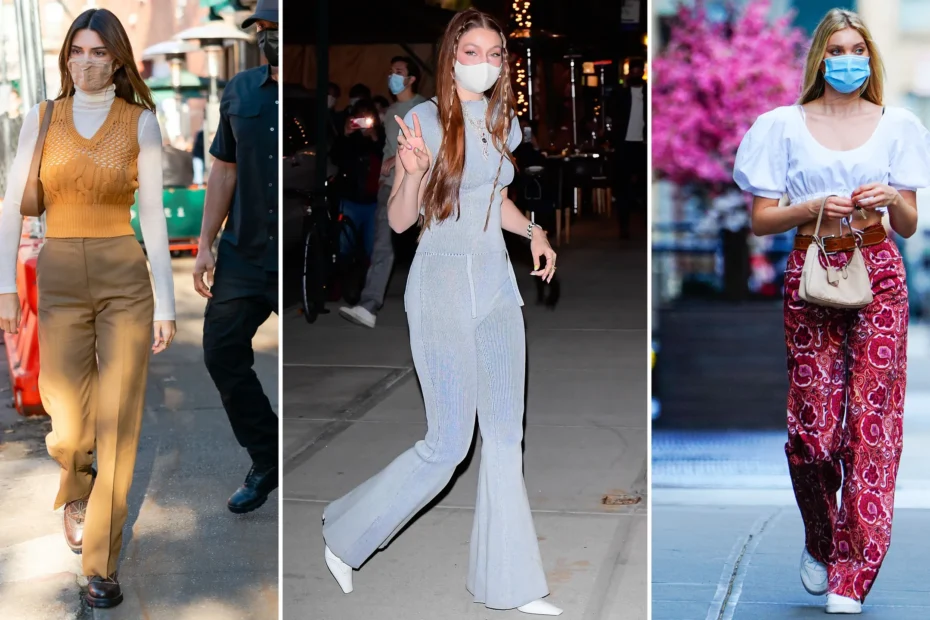
Today’s wardrobes quietly echo the past. High-waisted jeans, wide-leg trousers, and earthy color palettes all trace back to the 70s. Even luxury brands incorporate disco-inspired shimmer fabrics and vintage cuts into their seasonal collections.
Social media has also played a role in reviving these aesthetics. Influencers frequently style retro looks with modern twists, making them more wearable for everyday life.
How to Incorporate 70s Fashion Into Your Wardrobe
You don’t need a full vintage outfit to embrace the style. Small touches can create the same effect:
- Pair flared jeans with a fitted top
- Add platform shoes to modern outfits
- Use earthy tones like mustard, rust, and olive
- Try oversized sunglasses or hoop earrings
- Mix suede jackets with casual basics
The key is balance—combining retro elements with modern simplicity.
The Cultural Impact of 70s Style
Beyond clothing, this decade represented a shift in mindset. Fashion became a form of self-expression rather than social conformity. People dressed to reflect who they were, not just what was expected.
Music, cinema, and youth culture all contributed to this transformation. The result was a style movement that still feels relevant because it was built on individuality.
Read More: 2000s Fashion Trends: Y2K Style Revival Explained
Conclusion
70s fashion remains one of the most influential style eras in history. Its mix of disco glamour, bohemian freedom, and experimental design created a foundation that continues to inspire designers and everyday wardrobes alike. Whether you prefer bold statement pieces or subtle retro accents, this decade offers endless inspiration for personal style.
The beauty of 1970s fashion is that it never truly disappears—it simply evolves and returns in new forms, reminding us that great style is timeless.
FAQs
1. What defines 70s fashion?
It is characterized by flared pants, bold prints, disco glamour, bohemian styles, and expressive individuality.
2. Why is 1970s fashion still popular today?
Because its designs are versatile, comfortable, and easy to adapt into modern outfits.
3. What colors were popular in the 70s?
Earth tones like brown, mustard, orange, and olive were widely used, along with metallic disco shades.
4. Can 70s fashion be worn casually today?
Yes, items like flared jeans, retro tops, and platform shoes blend easily with modern casual wear.
5. What is the difference between disco and boho 70s style?
Disco is glamorous and fitted for nightlife, while boho is relaxed, natural, and free-flowing.